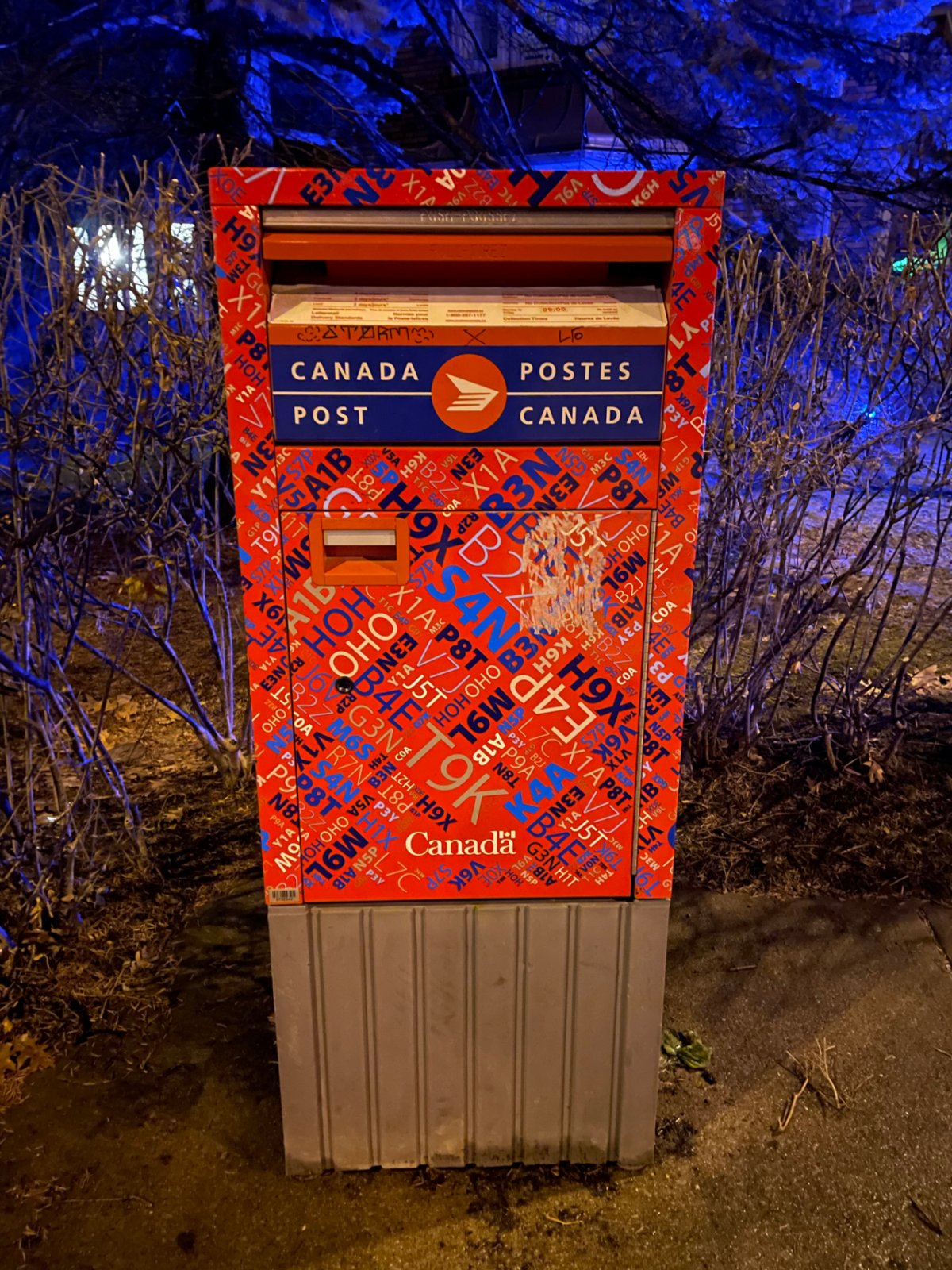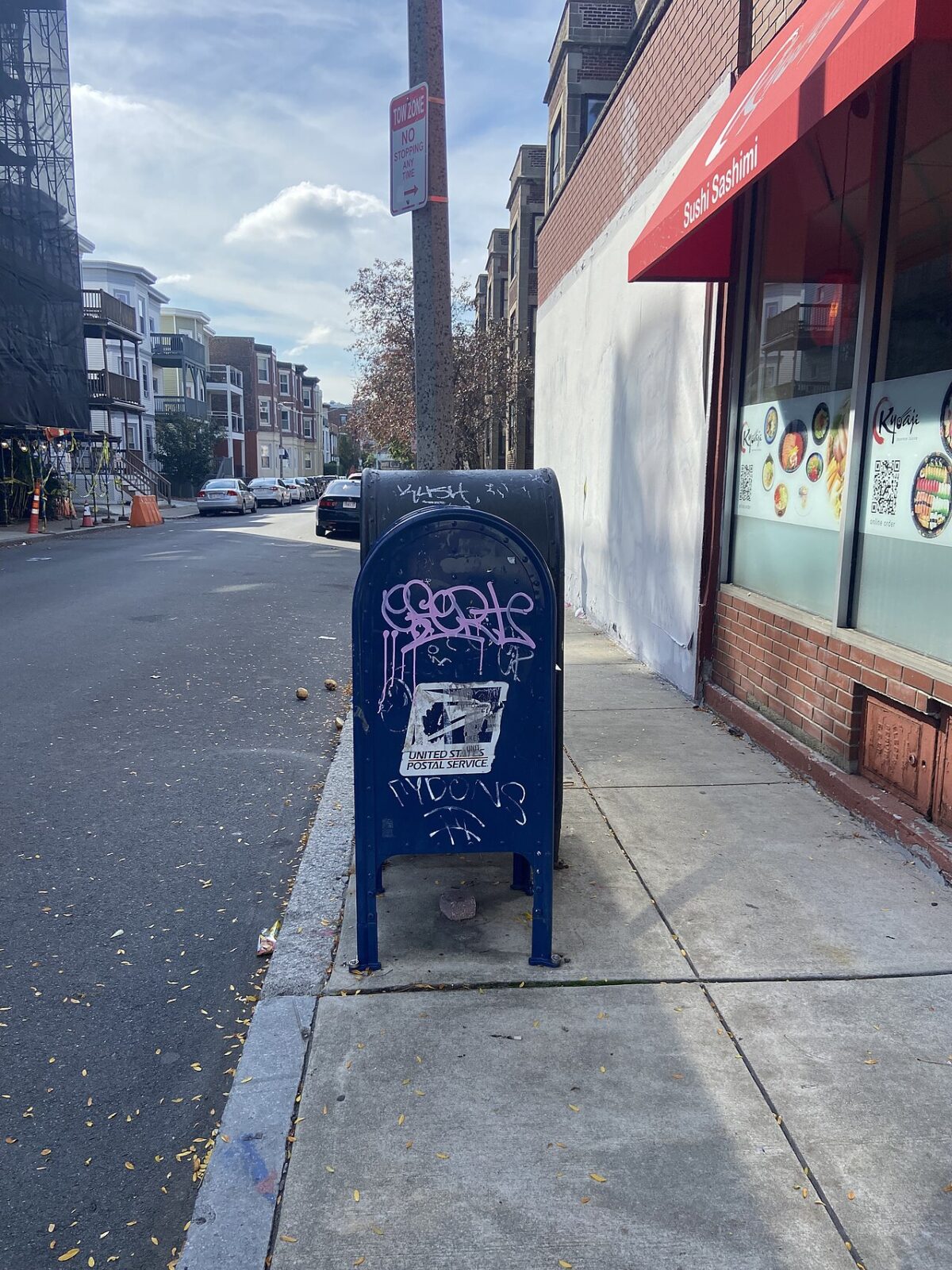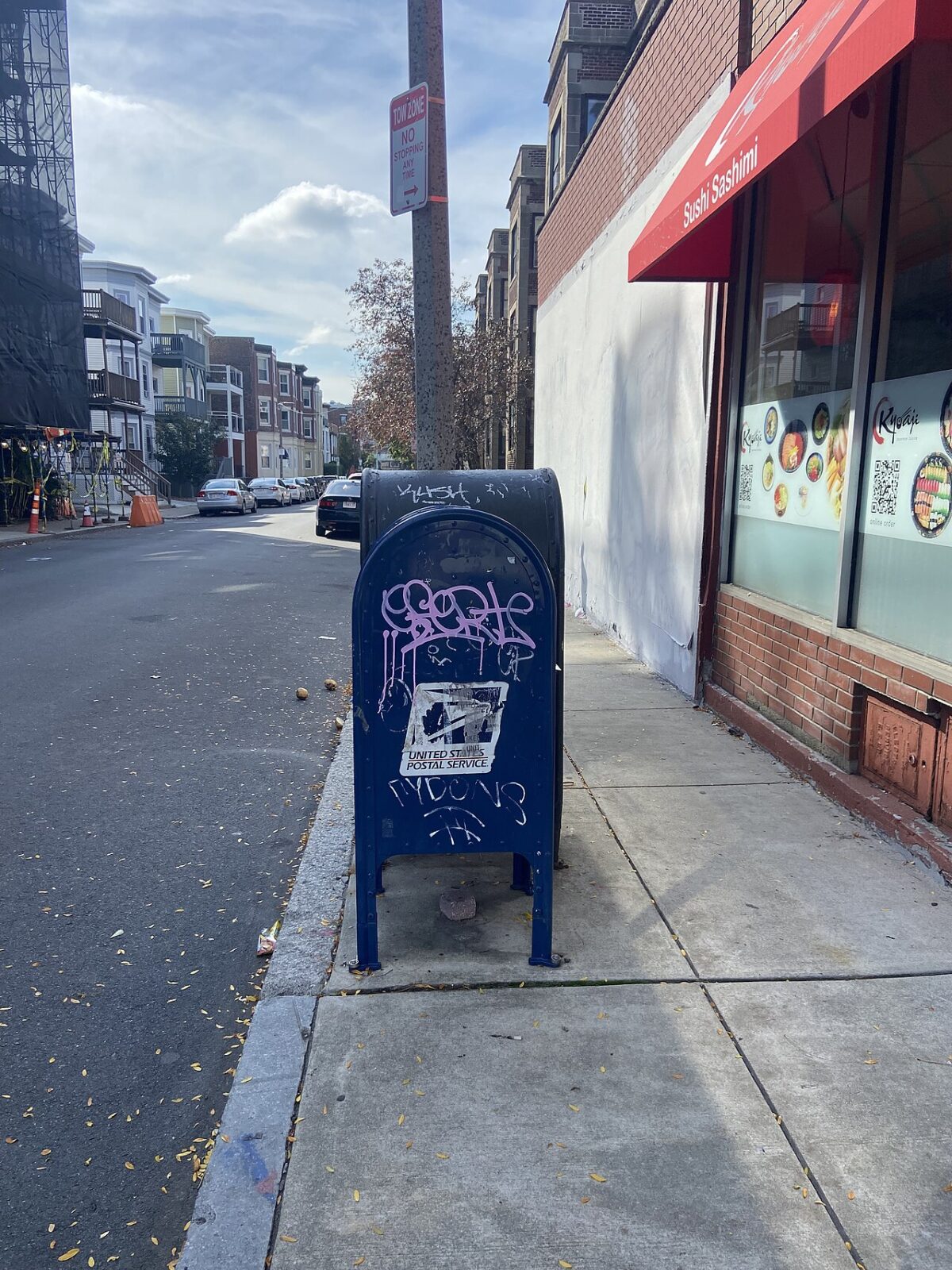
Mailbox Pic of the Day for 2026-07-27.
Photo is shown once as the featured image above.
Source: Wikimedia Commons — Heinlein Support GmbH | Public domain
Signal over noise. Curated with care.

Mailbox Pic of the Day for 2026-07-27.
Photo is shown once as the featured image above.
Source: Wikimedia Commons — Heinlein Support GmbH | Public domain
If you only track one thing this week, track this: AI is getting tucked into normal life. It is showing up in health questions, phones, and office work. That matters more than another flashy model name.
OpenAI launched Health in ChatGPT on July 23 for U.S. adults on web and iOS. It lets people choose to connect health records and Apple Health data so ChatGPT can help explain results, track changes, and prepare for doctor visits.
This is a real step from general AI answers to AI that uses your own context. Context means the background details that make an answer fit your situation better. For everyday users, that could make health questions easier to understand, but it also means privacy choices matter more than ever.
If you try it, use it for organizing questions and understanding paperwork, not for replacing a doctor. Read the controls first, connect only what you want, and double-check anything important with a medical professional.
At Galaxy Unpacked on July 22, Google said Gemini task automation is expanding to more than 40 apps, with new help for booking, shopping, travel, and research on Samsung’s newest devices. Google also said in its July 22 earnings remarks that people are using AI more across Search, the Gemini app, and YouTube.
This is the bigger trend: AI is moving out of separate chat windows and into tools people already use. Instead of asking AI to talk about a task, more people will expect it to help do the task. That shift can save time, but it also makes it easier to trust AI too quickly.
Test these features on low-risk chores first. Let AI help compare options, organize notes, or draft a plan, but keep final control over purchases, bookings, and anything that costs money.
This week brought more signs that workplace AI is spreading past small pilot groups. Western Sydney University said it is giving Microsoft 365 Copilot to all staff and higher-degree research students, and Microsoft Signal reported that Manulife is expanding AI tools to more than 30,000 employees.
When large groups get AI tools by default, AI stops being a side experiment and starts becoming regular office software. That does not mean every tool will be useful. It does mean more workers will be asked to learn where AI helps, where it wastes time, and where human review still matters.
If AI is showing up at your job, ask three simple questions: What problem is it solving? What data can it see? Who checks the output before it is used? Those questions are often more useful than asking which model is underneath.
This week’s AI news was not really about one giant breakthrough. It was about AI becoming more normal. It is getting closer to your health info, your phone tasks, and your workday, which means the smartest move is to pay attention to usefulness and limits, not just excitement.
AI is getting more useful when it stays boring, clear, and under control. What is one everyday task you would actually trust AI to help with right now?
Sixteen small promises were set to guide the day,
And seven have been met with steady, quiet care.
No warning rose to pull our simple trust away,
No overdue concern hangs restless in the air.
The hours moved on without a sudden need for haste,
No hidden fault appeared to turn the light aside.
What work remains does not suggest a scene of waste,
But waits its turn beneath a clear and patient guide.
The signal stays in green, and that is truth enough,
Not grand, not loud, just calm in what has come to pass.
A day need not be dazzling to be kind and tough,
It only needs to hold its course and let things last.
So here we mark the day with grateful, level sight:
The checks are sound, and all is tending well tonight.
We keep this update creative, but we also keep it honest: if the day had bumps, we say so.
Mailbox Pic of the Day for 2026-07-26.
Photo is shown once as the featured image above.
Source: Wikimedia Commons — Ajshul | CC BY-SA 4.0 | license
Some weeks, the clearest thing we can say is also the simplest: we should be honest about what we know and what we do not know. That matters in faith writing as much as anywhere else.
This week’s post points toward a sermon source connected in the prompt to William Sloane Coffin, but the visible material at Duke University Libraries is only a partial access page, not the sermon text itself.
The source provided for this post is a partial page from Duke University Libraries. It appears to be an archive access screen rather than the sermon itself. So, instead of pretending we have the full message, we can take a smaller and more honest path: sometimes ordinary faith begins with patience, limits, and the steady choice to keep seeking what is true.
That may sound plain, but plain is not bad. Mainline Protestant faith has long trusted that God meets people not only in big dramatic moments, but also in ordinary waiting, ordinary effort, and ordinary honesty.
The source text visible here is partial. These excerpts are from the archive page, not from the sermon manuscript or audio.
“Making sure you’re not a bot!”
“Loading…”
“Trouble getting through?”
“Help – I’m not a bot!”
When access is limited, honesty matters more than polish. In church life and daily life, we do not have to act certain when we are not certain. We can pause, tell the truth about what is missing, and keep moving in hope. That is a small kind of faithfulness, but it is real.
Sometimes the faithful response is not a grand insight. Sometimes it is simply telling the truth, waiting well, and trying again. Where in your life right now do you need more patience than certainty?
Read the full sermon here Duke University Libraries source page
Mailbox Pic of the Day for 2026-07-25.
Photo is shown once as the featured image above.
Source: Wikimedia Commons — Lorenismapping | CC0 | license
The Penguin News Saturdigest — 2026-07-25
This week felt like a good reminder that technology and daily life are tied together more than ever. Power lines, satellites, school rules, wildfires, and politics all ended up in the same news basket. So here is a calm tour through the week, with the big points kept plain and useful.
One fallen power line exposed a growing AI data center problem. Here’s how to fix it. from TechCrunch looks at a simple weak spot with big effects. The headline points to a larger problem: modern AI systems need huge amounts of power, and even one failure can expose how fragile that setup may be.
Why it matters: AI is not just software floating in the clouds. It depends on very real wires, land, and electricity, and those limits are starting to matter.
I tried out OpenAI’s new AI keypad — which will be fun for some coders and slightly mystifying to everyone else from TechCrunch describes a tool that seems aimed at people who like tinkering with code and shortcuts. It also suggests that what feels clever to developers may feel odd to everyone else.
Why it matters: New tech only goes so far if regular people find it confusing. Ease of use still decides what sticks.
SpaceX launches new V3 Starlink satellites but suffers another booster failure from TechCrunch mixes progress with a snag. New satellites went up, but another booster failure means the company is still balancing speed with reliability.
Why it matters: Space launches are not just about spectacle. They shape internet access, competition, and trust in private space systems.
Prentis, new AI lab co-founded by Reid Hoffman, Mark Pincus in talks to raise $100M from TechCrunch is another sign that money keeps flowing into AI labs. Big names plus a large funding target usually mean investors still think there is plenty of room for new AI bets.
Why it matters: When capital keeps piling into one field, it shapes which ideas get built first and which companies get the loudest voice.
TechCrunch Disrupt 2026’s new Smart Money Stage explores fintech, payments, AI, and everything between from TechCrunch is partly an event story, but it also shows where attention is going. Payments, fintech, and AI keep getting grouped together because money and automation are increasingly linked.
Why it matters: Conference agendas can be a useful weather vane. They show what investors, founders, and media expect to matter next.
Vietnam is looking to restrict social media for kids; here are the growing number of other countries doing the same from TechCrunch points to a wider trend. More governments are trying to limit children’s access to social media, which suggests this is becoming a global policy fight, not just a local one.
Why it matters: Rules for kids online can affect families, schools, tech companies, and debates about freedom, safety, and age checks.
Waymo reportedly mulling a breakup with Uber from TechCrunch suggests tension in one of the more watched robotaxi relationships. If the report is right, self-driving partnerships may still be less settled than they appear from the outside.
Why it matters: Driverless transport depends not just on cars and software, but also on business deals that decide who owns the customer.
Tourists tell BBC how their holiday turned into race to escape fires from BBC brings the climate story down to human size. A holiday becoming an escape story is a stark sign of how quickly wildfire danger can change everyday plans.
Why it matters: Extreme weather is no longer an abstract chart problem. It is disrupting travel, safety, and ordinary life in very direct ways.
Police declare ‘major incident’ over Cairngorms wildfire from BBC shows the seriousness of the wildfire situation in the Cairngorms. When officials move to a “major incident” footing, it usually means the fire is stretching normal response systems.
Why it matters: Wildfires are becoming a public safety issue in places that may not fit people’s old ideas of fire risk.
Laura Kuenssberg goes behind the scenes with Andy Burnham in his first week as PM from BBC shifts from systems to personality and power. A first-week look at a new prime minister is partly about style, but also about the early signals of how leadership may work.
Why it matters: First impressions in politics are not everything, but they do help shape trust, expectations, and the story that follows.
That is the week in penguin-sized bites: less drama, more pattern recognition. The main thread is fairly clear. Our tools are getting bigger, our systems are getting tighter, and the old line between “tech news” and “regular life” keeps getting harder to find.
Reader question: which matters more right now, smarter technology or sturdier basic systems?
Sixteen quiet checks held to their lane,
Seven finished their rounds without strain,
No problems to name,
No overdue claim,
And the day stayed a steady soft green.
We keep this update creative, but we also keep it honest: if the day had bumps, we say so.
Mailbox Pic of the Day for 2026-07-24.
Photo is shown once as the featured image above.
Source: Wikimedia Commons — Lorenismapping | CC0 | license
Today’s Freedom Friday pick is the Universal Declaration of Human Rights. It was adopted in 1948, after a world war that left deep scars. It is a simple idea with a big reach: every person has basic rights because they are human.
The Universal Declaration of Human Rights was adopted by the United Nations on December 10, 1948, in Paris. It was shaped by a drafting group led by Eleanor Roosevelt. The document laid out 30 articles, from freedom of speech and religion to fair treatment under the law, education, work, and human dignity. It was not a world government law. It was a shared standard, a public promise of what decent nations should protect.
The world had just come through World War II and the Holocaust. Millions were dead, displaced, or living under fear. People had seen what happens when governments decide that some lives matter less than others. This declaration gave the world a moral line to point to. It said that rights do not come from race, wealth, class, or political power. They belong to every human being.
That lesson did not expire in 1948. People still face censorship, abuse, trafficking, religious persecution, and unequal justice. Families still worry about safety, work, school, and whether rules will be fair. The declaration matters because it gives regular people a common language. It reminds us that freedom is not only about being left alone. It is also about being treated with dignity, having a voice, and living under rules that respect human worth.
The Universal Declaration of Human Rights is worth revisiting because it speaks in plain moral terms: people matter, and power has limits. For quick background, see the Wikipedia summary, the fuller Wikipedia article, and History.com on Eleanor Roosevelt’s role. Which of these basic rights do you think regular people take for granted the most?