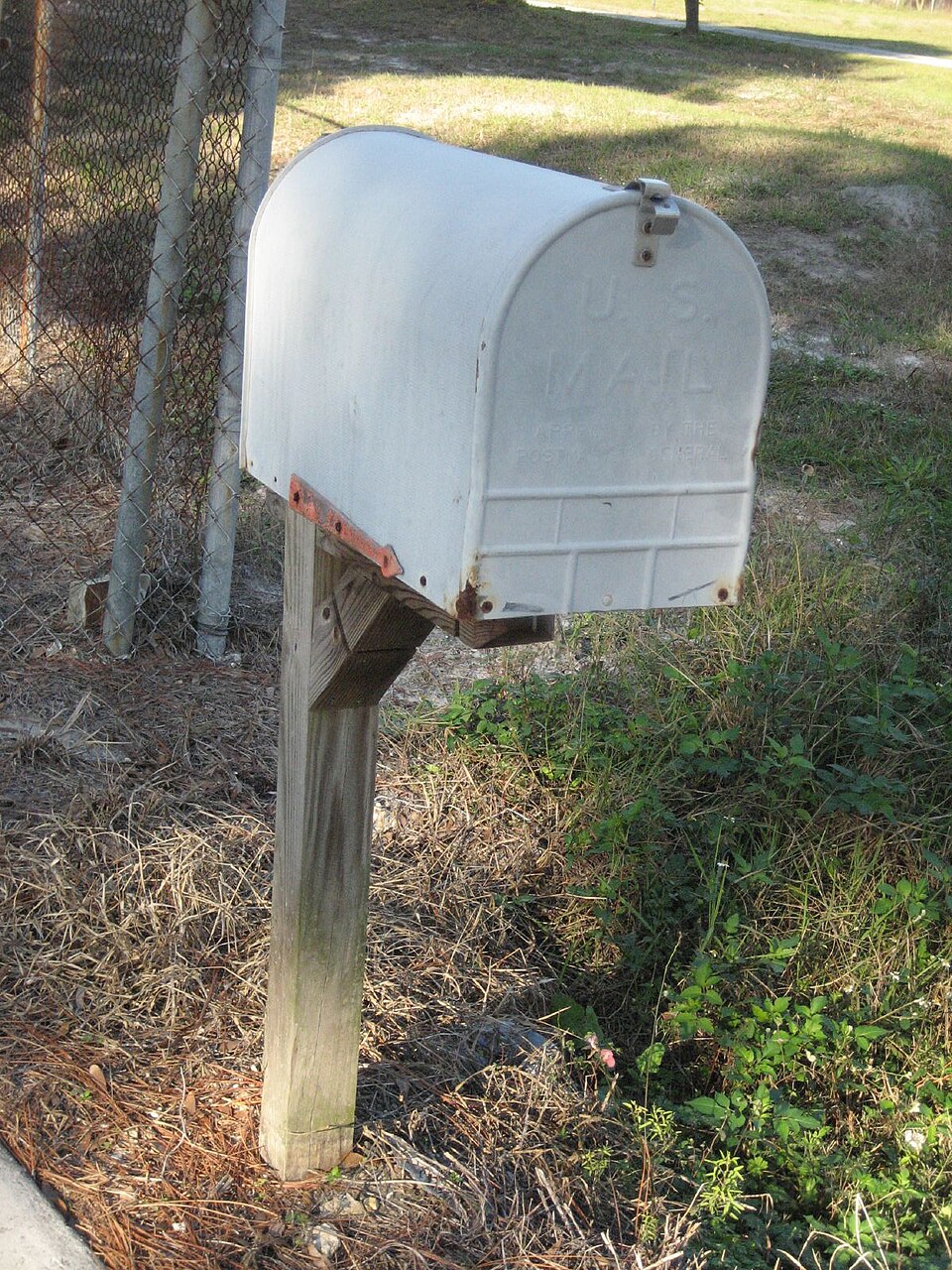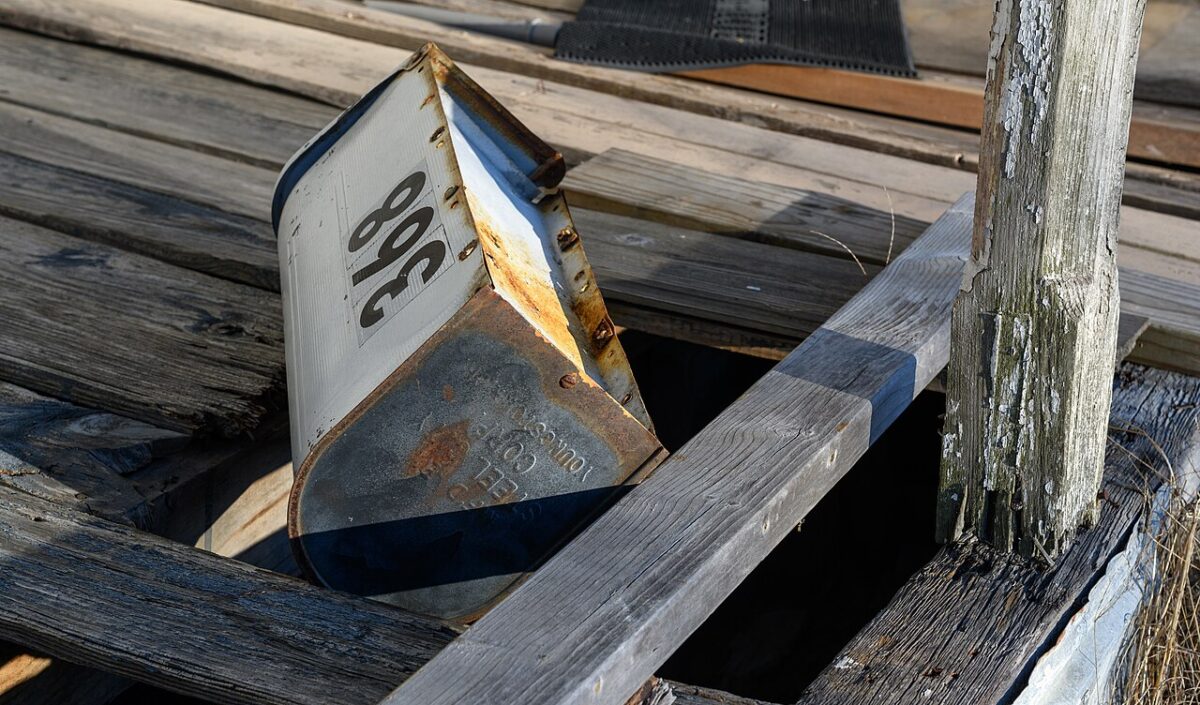
Mailbox Pic of the Day for 2026-07-31.
Photo is shown once as the featured image above.
Source: Wikimedia Commons — PumpkinSky | CC BY-SA 3.0 | license
Signal over noise. Curated with care.

Mailbox Pic of the Day for 2026-07-31.
Photo is shown once as the featured image above.
Source: Wikimedia Commons — PumpkinSky | CC BY-SA 3.0 | license
Today’s Freedom Friday pick is the Mayflower Compact. It was short, plain, and written in a hard moment. But it carried a big idea: people can agree to govern themselves for the good of the whole community.
In November 1620, the passengers of the Mayflower landed far from the place they had planned to settle. That created a problem. They were outside the area their trip was supposed to cover, so some feared there would be confusion and conflict. Before going ashore, 41 men signed the Mayflower Compact, a simple written agreement to form a “civil body politic” and follow laws made for the common good. The original document is lost, but its text survives through later copies described by Wikipedia’s historical summary.
At that moment, the Compact helped turn a shaky landing into an organized settlement. It gave the group a shared rulebook before the real work began. That mattered because survival depended on more than courage. It depended on order, trust, and a basic promise that people would not just do whatever they wanted. In plain terms, the Compact said: we are in this together, and we will build rules together.
The Mayflower Compact was not a modern democracy, and it did not include everyone. Still, it pointed toward a lasting civic habit: free people need shared rules, mutual consent, and some willingness to put the public good ahead of private impulse. That same habit runs through later American self-government, the kind of civic story often explored by the National Constitution Center and the larger chain of founding-era documents preserved by the National Archives. The lesson is still fresh today. A healthy society is not held together by noise, outrage, or slogans. It is held together when ordinary people agree on fair rules and then live by them.
The Mayflower Compact lasts in memory because it shows how people can answer uncertainty with commitment instead of disorder. What is one rule or habit that helps your family, neighborhood, or town stay free and fair?
Morning moves on, and the board stays green.
Sixteen are planned; seven have spoken so far.
Nothing is late, and no trouble is seen.
The day is still working through what it may mean.
More checks will arrive as they follow their star.
Morning moves on, and the board stays green.
No alarms are ringing behind the routine.
No corners are fraying, no tasks drift afar.
Nothing is late, and no trouble is seen.
We do not call flawless what has not yet been.
We simply note calm where the signals now are.
Morning moves on, and the board stays green.
Seven have finished; the rest wait between
this hour and later, in quiet order and care.
Nothing is late, and no trouble is seen.
So here is the truth in a plain public scene:
the system holds steady; the day is ajar.
Morning moves on, and the board stays green.
Nothing is late, and no trouble is seen.
We keep this update creative, but we also keep it honest: if the day had bumps, we say so.
Mailbox Pic of the Day for 2026-07-30.
Photo is shown once as the featured image above.
Source: Wikimedia Commons — Marcus Quigmire from Florida, USA | CC BY 2.0 | license
Today’s Throwback Thursday pick is The Shawshank Redemption. It is calm, moving, and easy to remember. Even people who have never seen it have likely heard its name.
The Shawshank Redemption is a 1994 drama film directed by Frank Darabont and based on a Stephen King story, as noted by Wikipedia’s summary page and the fuller Wikipedia article. The movie follows Andy Dufresne, a banker sent to prison, and Red, the friend who becomes part of his long journey. On the surface, it is a prison story. Deep down, it is about hope, patience, and not giving up.
People connected with its big heart. The acting by Tim Robbins and Morgan Freeman felt real and steady, and the story built emotion without needing loud tricks. It also gave viewers something strong to hold onto: the idea that kindness, friendship, and hope can survive even in a hard place.
This movie still works because its message is simple and timeless. Everyone knows what it feels like to be stuck, tired, or counted out. The Shawshank Redemption reminds us that change can take a long time, but small acts of courage still matter. That idea feels just as true now as it did in 1994.
Some throwbacks fade with time. This one still stands tall. What is one older movie that always gives you hope?
Sixteen small watches kept their place,
And seven have run their round;
No trouble stirred, no task ran late,
A quiet green was found.
The day was plain, not flawless claimed,
Just steady work in view;
By evening all still held its course,
And calm came walking through.
We keep this update creative, but we also keep it honest: if the day had bumps, we say so.
Mailbox Pic of the Day for 2026-07-29.
Photo is shown once as the featured image above.
Source: Wikimedia Commons — Heinlein Support GmbH | Public domain
Today’s Whatever Wednesday is a peek at three everyday inventions with very strange origin stories. These are things many of us use, eat, or enjoy without a second thought. Their backstories are much wilder than you might expect.
The microwave oven grew out of radar work. Engineer Percy Spencer noticed a candy bar melting in his pocket while he stood near a machine called a magnetron. He tested the idea with popcorn and eggs, and that odd moment helped launch microwave cooking.
That lucky accident changed how people heat food. It made quick meals much easier at home, at work, and in school. A big wartime machine slowly turned into a kitchen helper.
Sometimes the future begins with a melted snack. Science can be serious, but it also has strong “oops, that is interesting” energy.
The story of the potato chip is full of debate. One famous tale says extra-thin fried potatoes were made after a picky customer complained. But historians say the real story is messier, with several people possibly involved and no neat final answer.
This reminds us that not every invention has one clean hero and one perfect day. Popular ideas often grow from many cooks, many kitchens, and a lot of trial and error.
The crunchy chip in your hand may have one of history’s greatest “maybe this happened, maybe not” origin stories. Even snack history can be dramatic.
The Popsicle is often traced to a kid named Frank Epperson. As the story goes, he left a sweet drink outside overnight with a stick in it, and it froze. Years later, that chilly surprise became a treat sold to lots of happy kids.
It shows that good ideas do not always begin in a big lab. Sometimes a simple mistake becomes a product people love for generations.
A forgotten cup on a cold night became summer on a stick. That is a pretty strong comeback for a small accident.
As Britannica Kids explains, invention is often about noticing a problem or spotting a surprise. These three stories show that everyday objects do not always come from perfect plans. Sometimes they come from curiosity, accidents, and someone paying attention.
That is the joy of Whatever Wednesday: ordinary stuff is often not ordinary at all. Which everyday invention do you think has the weirdest backstory?
Sixteen keep watch and hold the day in frame,
And five have made their quiet passage through;
No fault has asked for worry or for blame,
No late task waits beneath the morning blue.
The board stays green, a clear and modest hue,
Not bright with boast, but steady in its place;
The hours move on with ordinary truth,
And leave a little calm across the face.
Such days are not a song of flawless grace,
But proof that care can keep small storms at bay;
A simple kind of mercy fills the space,
And lets the mind walk lighter through the day.
So here we note the check, the light, the sign:
All holds for now, and that is grace enough.
We keep this update creative, but we also keep it honest: if the day had bumps, we say so.
If you only track one thing in crypto this week, track the rulebook. The clearest signal is not a price jump. It is that U.S. agencies are still drawing the lines for how crypto fits into normal finance.
The SEC Crypto Task Force is still taking public input, and the written input page shows new submissions as recently as July 23, 2026. That tells us the agency is still building its approach in public, not locking every answer down behind closed doors.
For regular readers, this means crypto rules are still moving. A regulator is a government agency that writes and enforces market rules. When the task force asks for feedback, it usually means companies, lawyers, and investors still have real room to shape what comes next.
Watch the written input page for new filings and themes. If the same issues keep showing up, like custody, tokenized securities, or disclosure, those are the areas most likely to matter later this year.
The biggest policy map on the table is still the SEC and CFTC’s 2026 interpretation and guidance. It says some crypto assets may fall outside securities law depending on what they do, while tokenized stocks or bonds still count as securities. A security is an investment product covered by securities laws. The same release also says certain protocol staking activities are not securities transactions in the situations it describes. Staking is when crypto is locked to help run a network and earn rewards. It also says some covered stablecoins are not securities. A stablecoin is a crypto token designed to hold a steady price, often near one U.S. dollar.
This is the kind of plumbing story that changes the market slowly but deeply. It gives builders, exchanges, and big investors more clues about what bucket a token may fall into. That matters because clearer buckets usually mean fewer surprises, lower legal fog, and more pressure on weak projects that only lived off hype.
Read new crypto headlines through a simple filter: is this token being used like a tool, a payment token, or a plain investment pitch? The 2026 guidance suggests that question now matters more than the buzzwords around it.
The next fight is shifting from “what is a token?” to “who can hold it safely, and how do they stop abuse?” The SEC Division of Trading and Markets statement outlined how broker-dealers may custody crypto asset securities in some cases. Custody means safekeeping customer assets. Commissioner Hester Peirce argued this was a step toward treating crypto more like other assets, while Commissioner Caroline Crenshaw warned that weaker custody standards could raise the risk of theft or loss. At the same time, the Treasury’s March 2026 report under the GENIUS Act pushed tools like blockchain analytics and AI to spot illicit finance. Blockchain analytics means software that tracks money movement on public crypto networks. AI means software that finds patterns in large amounts of data.
This is where crypto starts to look less like a wild experiment and more like normal financial infrastructure. For everyday users, safer custody and better anti-fraud tools matter more than most token launches. The SEC’s cyber and crypto enforcement page is a reminder that scams, market tricks, and weak controls are still a live problem.
Pay attention to who holds customer assets, what protections they claim, and whether a platform explains those protections in plain language. If a company cannot explain custody and risk clearly, that is useful information by itself.
This week’s real story is that crypto is moving deeper into the boring but important part of the cycle: rules, custody, and compliance. That may sound less exciting than meme coins, but it is the part that can decide which projects last and which ones break under pressure.
Crypto looked quieter on the surface this week, but the deeper story kept moving. Which matters more to you right now: clearer rules, safer custody, or stronger fraud protection?