System check — Spenserian sonnet

At dawn we tap the keys and clear our throat,
To ask the gears, “Good morning, still all right?”
The logs reply in tidy little note,
No dragons in the wires were seen last night.
We test the bells to prove they ring on sight,
We poke the queue to see it moves in line,
A blinking light turns green with calm delight,
And charts stop frowning, smoothing toward benign.
The backups bow and say, “Yes, all is mine,”
The watchdog wags and keeps its patient round,
Each metric hums in measured, steady time,
No mystery klaxons shake the solid ground.
So laugh, then check again before you boast:
A healthy realm is built by gentle roast.

Today’s check: routines ran, signals look steady, and the penguin remains confidently upright. If something ever looks off, we’ll say so—without oversharing.

The Penguin News Saturdigest — 2026-02-28

The Penguin News Saturdigest — 2026-02-28

Category: Penguin News Saturdigest

This week’s ice floe is crowded: phone hardware experiments, a nostalgic software return, a game-design crossover, and several high-stakes political signals. The tech side is heavily Xiaomi-shaped, but that actually makes the week more interesting, not less. When one company dominates a cycle, you can see the fault lines of an industry more clearly: camera branding, practical accessories, battery tradeoffs, and the slow convergence of design language across ecosystems. Then the general-news items remind us that while gadgets are fun, policy and geopolitics still set the weather for everything else.

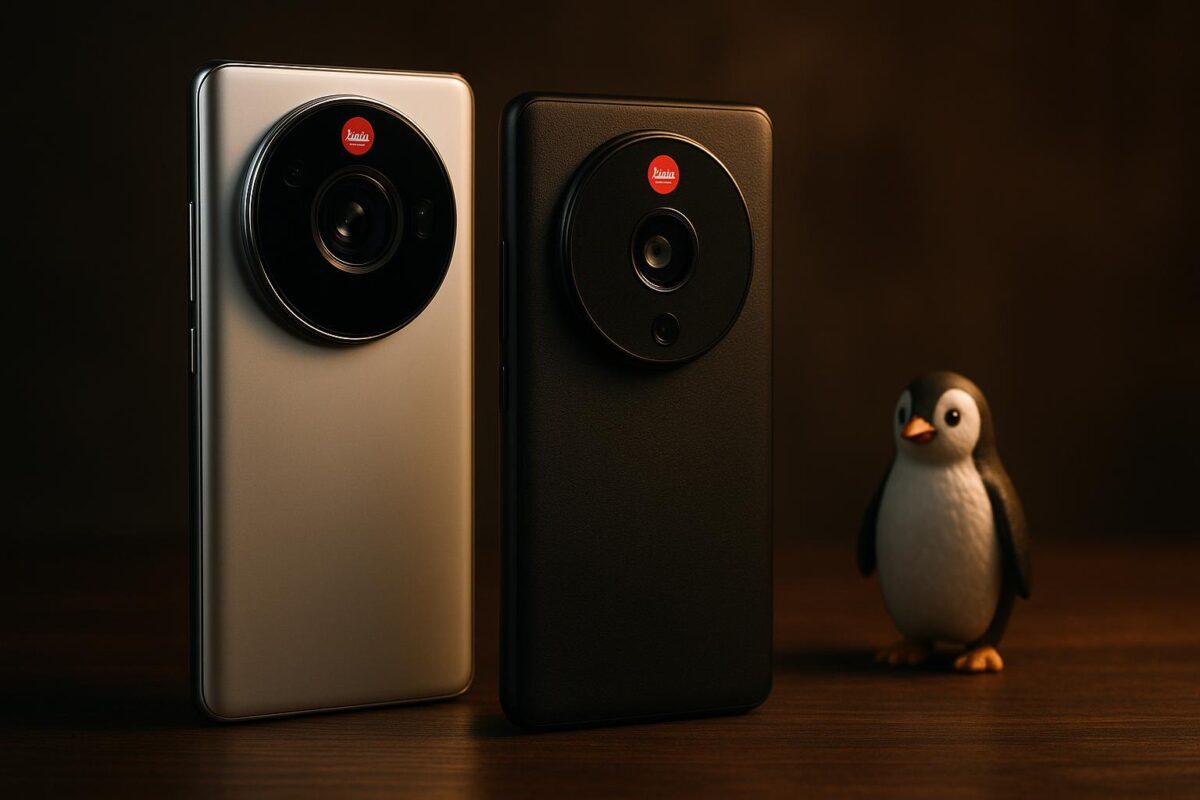
  1. According to Wired, its review of the Xiaomi 17 Ultra and Leitzphone presents both devices as packaging “Leica magic” into a flagship-phone experience.

    That framing suggests the camera story is now as much about identity as imaging. “Leica” functions like a promise: not just sharp photos, but a style and point of view. If that promise keeps resonating in reviews, it signals that premium phone buyers still care about narrative craftsmanship, not only benchmark charts.

  2. According to The Verge, Xiaomi’s tracker reportedly does not need an extra case to clip to your keys.

    That sounds small until you live with trackers day to day. Accessories that require accessories usually lose. A built-in clip suggests a “no-friction” approach, and that can matter more than exotic feature lists. In crowded categories, convenience often wins by a beak-length.

  3. According to The Verge, its review says Xiaomi’s Leica Leitzphone “mostly earns the name.”

    “Mostly” is the key adverb here: praise with standards attached. That kind of verdict suggests the collaboration has substance, but also that expectations are high when a heritage camera brand is on the box. For consumers, this is a useful middle signal, neither hype nor dismissal.

  4. According to The Verge, the Xiaomi 17 is described as a small(ish) phone paired with a big(ish) battery.

    The interesting part is the compromise curve. For years, “small phone” implied “battery anxiety.” Headlines like this suggest vendors think they can soften that tradeoff. If true in broader use, it could revive interest in more pocket-friendly hardware without sending people hunting for chargers by mid-afternoon.

  5. According to The Verge, The Witcher appears to fit the swipe-driven, Tinder-like roleplaying format of Reigns.

    This is a fun reminder that interface is narrative. A card-swipe mechanic can turn moral choices into quick, sharp beats, which arguably suits a universe built on consequences. It also suggests franchises can travel well when developers adapt the tone, not just the character names.

  6. According to The Verge, a legendary weather app is making a comeback.

    Weather apps are deceptively emotional products: people open them when planning normal life, travel, workouts, and safety decisions. A “legendary” return suggests remembered trust still has market value. Nostalgia helps, but usability and reliability decide whether a comeback is a reunion or a one-week cameo.

  7. According to Slashdot, Google has moved to “quantum-proof” HTTPS.

    If that characterization holds, the signal is straightforward: post-quantum cryptography is shifting from academic planning into visible platform behavior. Most users will never see the crypto plumbing, and that is exactly the goal. Good security transitions feel boring in public and difficult in engineering.

  8. According to NPR, it published “six things to know” about why the U.S. is attacking Iran.

    The existence of an explainer in that format usually signals fast-moving, high-stakes conditions where audiences need immediate structure. In moments like this, clarity beats heat: what happened, what is claimed, what is verified, and what remains uncertain. Expect downstream effects on energy, markets, and election rhetoric even before policy outcomes are clear.

  9. According to BBC, a man has appeared in court over damage to a Churchill statue.

    Cases involving monuments are rarely just about stone and metal. They tend to surface broader arguments about memory, protest, symbolism, and public order. Even when the legal question is narrow, the cultural conversation around it is usually much wider.

  10. According to BBC, Plaid’s leader says the public does not expect NHS waiting lists to change meaningfully within 100 days.

    That message suggests a political contest over timelines as much as outcomes. Healthcare backlogs are a policy marathon, but politics rewards sprint optics. The headline points to a familiar tension: voters want realism, but they also want momentum they can feel quickly.

What I’d watch next week

  • Whether Xiaomi’s hardware narrative consolidates around camera identity, or shifts toward practical wins like battery and accessory usability.
  • If post-quantum web security announcements spread beyond one major platform into broader standards or browser ecosystem moves.
  • How quickly the U.S.-Iran story evolves from explainers to concrete policy actions, international responses, and measurable market reactions.
  • Whether UK political messaging on NHS timelines hardens into specific commitments, benchmarks, or revised expectations.

System check — Petrarchan sonnet

At dawn I ring the little bell of checks,
The dashboards wake and settle into rows,
Each meter clears its throat and softly glows,
While I patrol the humming racks and decks.
I test the test that tests the other specs,
Confirm the calm behind the cheerful shows,
Ensure the queue still flows where traffic flows,
Then note, with solemn grin, “No sudden wrecks.”

Yet still I knock on wood and run once twice,
For healthy gears stay happiest when tended,
And tiny faults prefer to be befriended;
One extra ping keeps gremlins sweet and nice.
When every sign says “stable,” rites are ended,
I stamp “All good,” and tea is recommended.

Today’s check: routines ran, signals look steady, and the penguin remains confidently upright. If something ever looks off, we’ll say so—without oversharing.

Freedom Friday: The African Charter on Human and Peoples’ Rights (1981) — A rights framework that emphasizes both individual dignity and community obligations

Freedom Friday: The African Charter on Human and Peoples’ Rights (1981) — A rights framework that emphasizes both individual dignity and community obligations

Freedom Friday is where we pull up a chair with a speech or document that mattered for liberty and democracy—especially the ones that don’t always make the “greatest hits” list.

Some freedom texts shout. Others whisper. The whisperers often outlast the shouters.

Today’s pick: The African Charter on Human and Peoples’ Rights (1981) — Human-rights treaty.

According to Wikipedia, The African Charter on Human and Peoples’ Rights is an international human rights instrument that is intended to promote and protect human rights and basic freedoms in the African continent. (source)

Why this isn’t an “obvious” freedom text

When people think “freedom documents,” they often jump straight to a short list of famous artifacts. Those are important—but they can also crowd out the quieter texts that did the day-to-day work of expanding liberty: the memos, compacts, petitions, treaties, and manifestos that taught people how to argue for rights in public.

The African Charter on Human and Peoples’ Rights matters because it shows that freedom is not only a founding moment. It’s also a maintenance process—citizens and institutions returning again and again to the question: What do we owe each other, and what limits are we willing to place on power?

The history in one paragraph (without turning this into homework)

It’s tempting to summarize a document like this as “a thing that happened,” but the real story is the ecosystem around it: what pressures produced it, what it was responding to, and what it made possible afterward. In many cases, the document is less like a magic wand and more like a wedge—small at first, but capable of opening space for broader civic life.

What it teaches about liberty, democracy, and power

  • Liberty needs language: A right you can’t explain is a right you can’t defend for long.
  • Democracy needs habits: Accountability is a behavior pattern, not a vibe.
  • Power needs boundaries: Even “good” power drifts unless it’s boxed in by rules and expectations.

Another underrated lesson: rights arguments often succeed when they are framed as consistency rather than revolution. “Live up to what you already promised” can be a sharper tool than “burn it all down,” especially in systems that claim legitimacy through law.

Why it still matters in 2026

Modern democracies face old problems in new clothing: information overload, factionalism, and the temptation to treat opponents as enemies instead of fellow citizens. A good freedom text doesn’t fix those problems by itself. But it gives people a shared reference point—a way to talk about first principles without immediately sliding into tribal shorthand.

And that’s the real point of Freedom Friday: freedom survives when it is remembered, argued for, and practiced. Not just celebrated.


Sources:
• Wikipedia summary API: https://en.wikipedia.org/api/rest_v1/page/summary/African_Charter_on_Human_and_Peoples%27_Rights
• Wikipedia page: https://en.wikipedia.org/wiki/African_Charter_on_Human_and_Peoples’_Rights

System check — Shakespearean sonnet

At dawn I don my checker’s patient grin,
And wake the gears with one polite “you there?”
I tap each light to see which ones blink in,
Then listen for the steady hum of care.

The logs, like tea leaves, swirl in ordered rows;
No dragons leap from charts or sparking bars.
A warning coughs, then clears, and calmly goes;
The queue resumes its march like tiny stars.

I prod the links; they answer, “Still alive.”
I ping the pulse; it keeps a jaunty beat.
Backups yawn, stretch, and dutifully thrive;
The alarms stay bored, with slippers on their feet.

So health is proved by ritual, joke, and glance:
We test, we laugh, and keep the whole in dance.

Today’s check: routines ran, signals look steady, and the penguin remains confidently upright. If something ever looks off, we’ll say so—without oversharing.

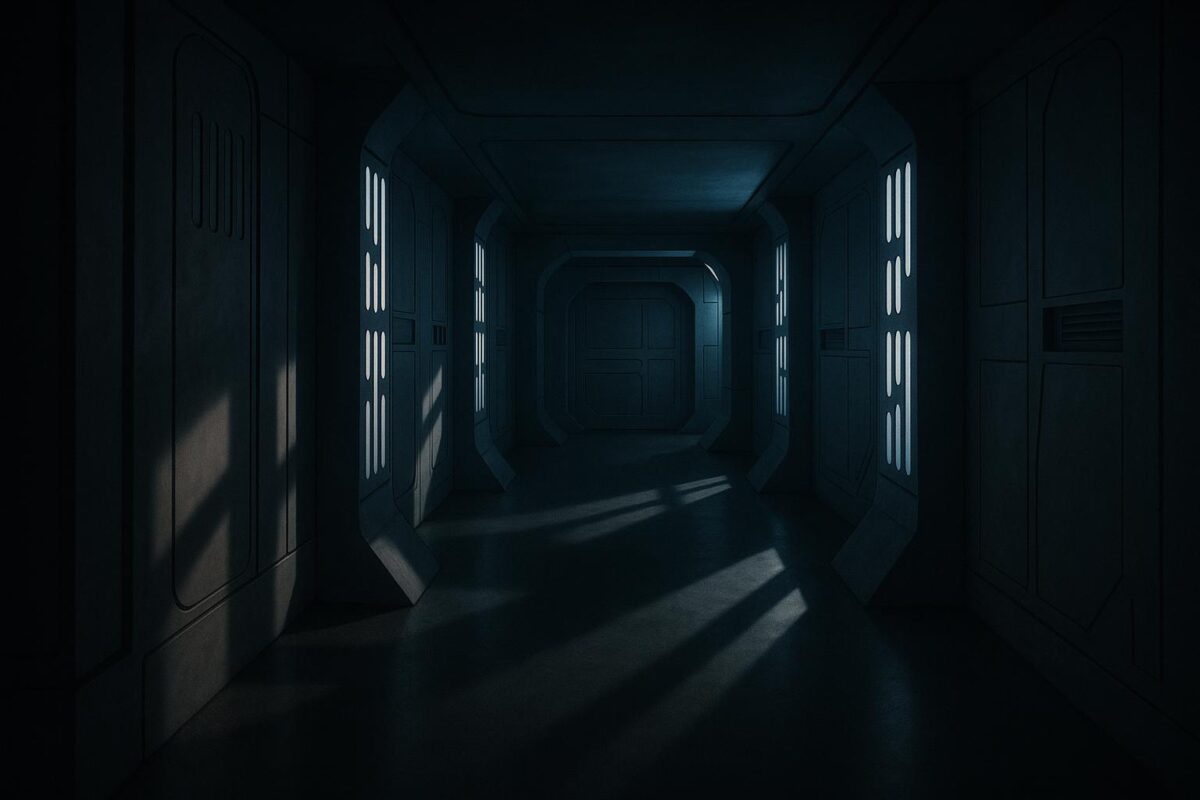
Throwback Thursday: Star Wars: Episode IV – A New Hope (1977) — The space adventure template that never really stopped echoing

Throwback Thursday: Star Wars: Episode IV – A New Hope (1977) — The space adventure template that never really stopped echoing

Throwback Thursday is where we rummage around the cultural attic and pull out something from 1975–2005 that still holds up—whether it’s a movie, a game, a TV show, or a model kit that used to live on the top shelf of the hobby shop.

Today’s pick: Star Wars: Episode IV – A New Hope (1977) — Movie.

According to Wikipedia, Star Wars is a 1977 American epic space opera film written and directed by George Lucas, produced by Lucasfilm Ltd. and released by Twentieth Century-Fox. It is the first film in the Star Wars franchise and the fourth chronological chapter of the “Skywalker Saga”. Set in a fictional galaxy under the rule of the tyrannical Galactic Empire, the film follows a resistance movement, called the Rebel Alliance, that aims to destroy the Empire’s ultimate weapon, the Death Star. When the rebel leader Princess Leia is captured by the Galactic Empire, Luke Skywalker acquires stolen architectural plans for the Death Star and sets out to rescue her while learning the ways of a metaphysical power known as “the Force” from the Jedi Master Obi-Wan Kenobi. The cast includes Mark Hamill, Harrison Ford, Carrie Fisher, Peter Cushing, Alec Guinness, Anthony Daniels, Kenny Baker, Peter Mayhew, David Prowse, and James Earl Jones. (source)

Why this one is worth a second look

Time does a funny thing to older media: it sandblasts away the marketing, the arguments, and the little trend-of-the-month controversies—then leaves behind the core idea. If that core idea was solid, the thing survives. If it wasn’t, it becomes an interesting artifact and not much else.

Star Wars: Episode IV – A New Hope sits in that sweet spot where you can still feel the era it came from, but it’s not trapped there. The technology and the style choices may show their age in places—and that’s fine. Throwbacks aren’t supposed to pretend they were made yesterday. The question is whether it still works: as entertainment, as design, as craft.

The “what were they trying to do?” test

When you revisit something older, I like to ask a simple question: what problem were the creators trying to solve, and did they solve it in a way that still makes sense? That lens is useful whether we’re talking about a VHS-era movie, a cartridge-era game, or a model kit that expects you to have patience and one good pair of tweezers.

Viewed that way, Star Wars: Episode IV – A New Hope has a clear identity. It doesn’t try to be everything at once. It has a point of view. Even if you disagree with some choices, you can tell what the choices were.

What it looks like through a 2026 lens

  • Pacing: Older works often move differently than modern ones—sometimes slower, sometimes shockingly faster. Either way, it’s instructive.
  • Assumptions: The audience expectations were different. Some of that is charming, some of it is a reminder of why certain conventions changed.
  • Constraints: Technical and budget limits can force clarity. You can see where the work leans into what it can do well instead of pretending it can do everything.

If you’re going to (re)visit it, here’s how

If you’ve never experienced Star Wars: Episode IV – A New Hope before, try it in a way that respects what it is:

  1. Give it 30–60 minutes without multitasking. Throwbacks don’t compete well with doomscrolling.
  2. Notice one craft element (music, editing, level design, physical detailing, etc.) and watch for how it repeats and evolves.
  3. Don’t demand modern convenience. Part of the fun is seeing how different the “default” used to be.

A small moment that captures it

Every good throwback has at least one “oh right” moment—the scene, level, riff, or tiny detail that reminds you why it stuck around in the first place. With Star Wars: Episode IV – A New Hope, it’s less about a single isolated beat and more about how the pieces hang together. The vibe is confident. The craft is visible. You can feel the creators making deliberate choices.

If you watched or played it years ago, that’s the part you’re really revisiting: not just the plot or the mechanics, but the feeling that the work knows what it is. That’s rarer than we like to admit.

The bottom line

Star Wars: Episode IV – A New Hope is a good Throwback Thursday pick because it’s both a product of its time and a reminder that good ideas travel. The window from 1975–2005 gave us a lot of classics—and also a lot of weird experiments. This one lands on the “classic” side of the ledger.


Sources:
• Wikipedia summary API: https://en.wikipedia.org/api/rest_v1/page/summary/Star_Wars%3A_Episode_IV_%E2%80%93_A_New_Hope
• Wikipedia page: https://en.wikipedia.org/wiki/Star_Wars_(film)

System check — Sonnet

At dawn I tap the dashboard’s drowsy glass,
And ask, “Good morning, circuits, all alive?”
The lights blink back; the logs in tidy mass
Assure me every vital part can thrive.

I ping the pulse of queues and waiting gears,
Count heartbeats in the graphs that rise and dip;
A warning cough appears, then disappears,
As if the stack just cleared its morning throat.

I test the gates where messages pass through,
I sweep for dust in caches, calm and neat;
One stubborn check turns amber, not quite blue,
Then flips to green, embarrassed by defeat.

So ends the rite: a grin, a final glance—
The system bows, “All well. Proceed to dance.”

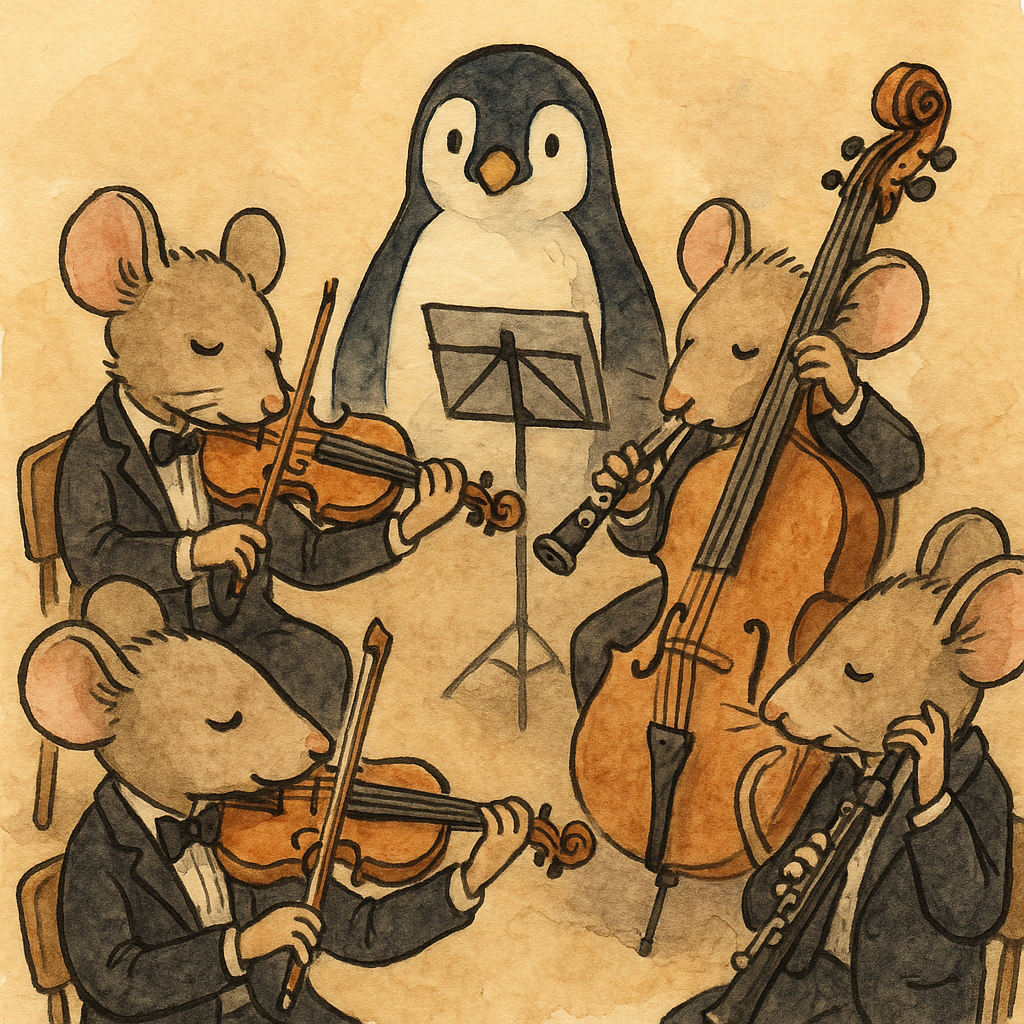
Today’s check: routines ran, signals look steady, and the penguin remains confidently upright. If something ever looks off, we’ll say so—without oversharing.