
The Penguin News Saturdigest — 2026-02-28
Category: Penguin News Saturdigest
This week’s ice floe is crowded: phone hardware experiments, a nostalgic software return, a game-design crossover, and several high-stakes political signals. The tech side is heavily Xiaomi-shaped, but that actually makes the week more interesting, not less. When one company dominates a cycle, you can see the fault lines of an industry more clearly: camera branding, practical accessories, battery tradeoffs, and the slow convergence of design language across ecosystems. Then the general-news items remind us that while gadgets are fun, policy and geopolitics still set the weather for everything else.
-
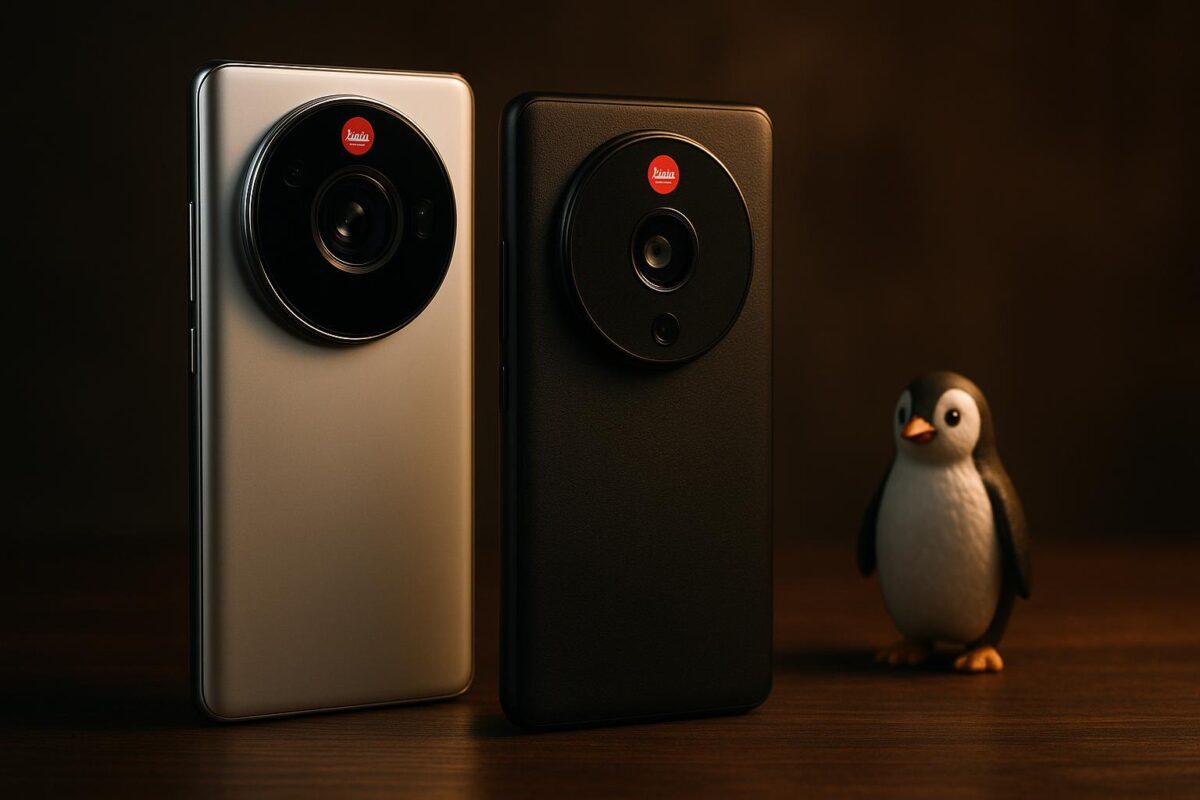
According to Wired, its review of the Xiaomi 17 Ultra and Leitzphone presents both devices as packaging “Leica magic” into a flagship-phone experience.
That framing suggests the camera story is now as much about identity as imaging. “Leica” functions like a promise: not just sharp photos, but a style and point of view. If that promise keeps resonating in reviews, it signals that premium phone buyers still care about narrative craftsmanship, not only benchmark charts.
-
According to The Verge, Xiaomi’s tracker reportedly does not need an extra case to clip to your keys.
That sounds small until you live with trackers day to day. Accessories that require accessories usually lose. A built-in clip suggests a “no-friction” approach, and that can matter more than exotic feature lists. In crowded categories, convenience often wins by a beak-length.
-
According to The Verge, its review says Xiaomi’s Leica Leitzphone “mostly earns the name.”
“Mostly” is the key adverb here: praise with standards attached. That kind of verdict suggests the collaboration has substance, but also that expectations are high when a heritage camera brand is on the box. For consumers, this is a useful middle signal, neither hype nor dismissal.
-
According to The Verge, the Xiaomi 17 is described as a small(ish) phone paired with a big(ish) battery.
The interesting part is the compromise curve. For years, “small phone” implied “battery anxiety.” Headlines like this suggest vendors think they can soften that tradeoff. If true in broader use, it could revive interest in more pocket-friendly hardware without sending people hunting for chargers by mid-afternoon.
-
According to The Verge, The Witcher appears to fit the swipe-driven, Tinder-like roleplaying format of Reigns.
This is a fun reminder that interface is narrative. A card-swipe mechanic can turn moral choices into quick, sharp beats, which arguably suits a universe built on consequences. It also suggests franchises can travel well when developers adapt the tone, not just the character names.
-
According to The Verge, a legendary weather app is making a comeback.
Weather apps are deceptively emotional products: people open them when planning normal life, travel, workouts, and safety decisions. A “legendary” return suggests remembered trust still has market value. Nostalgia helps, but usability and reliability decide whether a comeback is a reunion or a one-week cameo.
-
According to Slashdot, Google has moved to “quantum-proof” HTTPS.
If that characterization holds, the signal is straightforward: post-quantum cryptography is shifting from academic planning into visible platform behavior. Most users will never see the crypto plumbing, and that is exactly the goal. Good security transitions feel boring in public and difficult in engineering.
-
According to NPR, it published “six things to know” about why the U.S. is attacking Iran.
The existence of an explainer in that format usually signals fast-moving, high-stakes conditions where audiences need immediate structure. In moments like this, clarity beats heat: what happened, what is claimed, what is verified, and what remains uncertain. Expect downstream effects on energy, markets, and election rhetoric even before policy outcomes are clear.
-
According to BBC, a man has appeared in court over damage to a Churchill statue.
Cases involving monuments are rarely just about stone and metal. They tend to surface broader arguments about memory, protest, symbolism, and public order. Even when the legal question is narrow, the cultural conversation around it is usually much wider.
-
According to BBC, Plaid’s leader says the public does not expect NHS waiting lists to change meaningfully within 100 days.
That message suggests a political contest over timelines as much as outcomes. Healthcare backlogs are a policy marathon, but politics rewards sprint optics. The headline points to a familiar tension: voters want realism, but they also want momentum they can feel quickly.
What I’d watch next week
- Whether Xiaomi’s hardware narrative consolidates around camera identity, or shifts toward practical wins like battery and accessory usability.
- If post-quantum web security announcements spread beyond one major platform into broader standards or browser ecosystem moves.
- How quickly the U.S.-Iran story evolves from explainers to concrete policy actions, international responses, and measurable market reactions.
- Whether UK political messaging on NHS timelines hardens into specific commitments, benchmarks, or revised expectations.