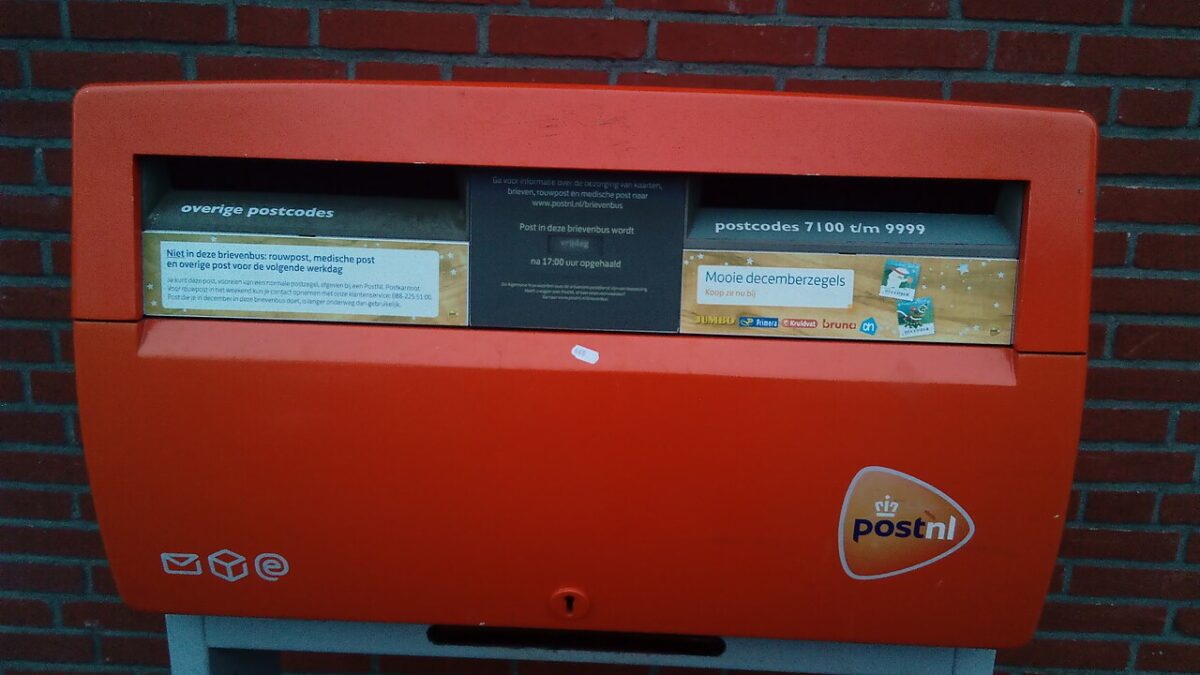
Mailbox Pic of the Day for 2026-05-27.
Photo is shown once as the featured image above.
Source: Wikimedia Commons — DS Pugh | The Mailbox by DS Pugh | CC BY-SA 2.0 | license
Signal over noise. Curated with care.

Mailbox Pic of the Day for 2026-05-27.
Photo is shown once as the featured image above.
Source: Wikimedia Commons — DS Pugh | The Mailbox by DS Pugh | CC BY-SA 2.0 | license
Today’s Whatever Wednesday is… fun science tricks hiding in normal life. The weird little things you see every day are not random. They are tiny science shows, and you are in the front row.
You rub a balloon on your shirt, and it sticks to the wall. Or your socks spark when you shuffle on carpet. That is static electricity, a charge build-up from rubbing surfaces, explained in simple ways by National Geographic.
Static is not just a party trick. The same idea helps us understand lightning and how charges move in bigger systems. Basic electricity rules start small.
Your laundry is basically a mini weather lab. Tiny storm vibes, no raincoat needed.
When a car brakes hard, your body keeps moving forward for a moment. That is inertia, a classic motion rule described in kid-friendly science explainers from Britannica.
This is why seat belts matter so much. Cars stop, but your body wants to keep going. Seat belts help your body stop safely with the car.
Newton’s laws are not old textbook stuff. They show up every time someone says, “Whoa, that stop was fast!”
You slice an apple, walk away, and come back to brown fruit. That color change is oxidation, a chemical reaction with oxygen. Food and science history stories like this often appear in History.com and science coverage from Smithsonian Magazine.
Oxidation helps explain rust on bikes, old metal color changes, and even food freshness. Knowing this helps you waste less food at home.
A little lemon juice can slow browning. Your snack just got a science-powered upgrade.
Today’s tricks were simple: rubbing can move electric charge, moving objects want to keep moving, and oxygen can change food over time. These ideas sound big, but they live in balloons, seat belts, and apple slices.
That is it for this Whatever Wednesday: normal day, hidden science, big “aha” moments. Which everyday science trick should we test next Wednesday?
Today’s Whatever Wednesday is… a trip through weird old tech ideas that never really died. Some gadgets looked goofy then. They look smart now.
Old-school record players, wired headphones, and film cameras are back in stores and social feeds. A lot of people are choosing them on purpose, not by accident. You can see this “retro comeback” trend in coverage from TechCrunch.
Sometimes “new” is not always better for every moment. Older tools can be simple, durable, and easier to focus with. Fewer buttons can mean fewer distractions.
Turns out the hottest “new feature” in 2026 might be… a knob.
People are also getting curious about old inventions because museums and history writers keep showing how many modern ideas started long ago. Background reads from Smithsonian Magazine and HISTORY often connect old tools to today’s habits.
When you know where ideas came from, you make better choices now. You can spot fads faster. You can also borrow proven ideas instead of chasing every shiny app.
Your grandparent’s “outdated” gadget might just be version 1.0 of your favorite thing.
Writers and educators still highlight low-power, repairable, and long-lasting designs from the past. Big reference outlets like National Geographic and Britannica keep reminding us that useful tools survive because they solve real problems.
Simple tech can save money, reduce waste, and last longer. That helps families, schools, and small businesses.
If it still works after being dropped, bumped, and borrowed by cousins, it deserves respect.
Old tech ideas are sticking around because they are easy to use, easy to trust, and often built to last. New tools are great, but old designs still win when you want focus, reliability, and less clutter.
Whatever Wednesday reminder: good ideas do not expire, they just get better stories. Reader question: what “old” piece of tech do you still use and love?
Today the signal stays green
Seven checks are done today
No alarms have found a way
And nothing overdue is seen
Sixteen are set; the board is clean
Nine still wait their turn today
Today the signal stays green
Seven checks are done today
We keep a steady, careful screen
No sudden fault has crossed our way
No hidden snag has spoiled the day
Just patient steps, calm work, still clean
Today the signal stays green
We keep this update creative, but we also keep it honest: if the day had bumps, we say so.
Mailbox Pic of the Day for 2026-05-19.
Photo is shown once as the featured image above.
Source: Wikimedia Commons — Андрей Романенко | CC BY-SA 4.0 | license
If you only track one thing in crypto this week, track the rules game. U.S. regulators and state leaders are giving clearer signals on custody and compliance. That can matter more than daily price swings.
The SEC kept pushing its crypto policy work through its Crypto Task Force, related updates from its Cyber and Emerging Technologies unit, and a fresh policy clarification in this SEC press release.
Regulatory clarity means clearer rules for companies and customers. “Custody” means who safely holds your digital assets and under what legal protections.
Watch for plain-language guidance from major agencies and compare it with your platform’s disclosures. Focus on whether firms explain custody, risk, and legal status in simple terms.
Minnesota’s banking system is preparing for licensed institutions to offer crypto custody, as reported by CoinDesk.
This could bring crypto services into familiar local banks and credit unions. A credit union is a member-owned financial co-op, often focused on local communities.
Ask your financial institution what crypto services it plans to offer, what fees apply, and what protections are in place. Keep expectations practical while programs roll out.
Compliance pressure is still strong worldwide, including sanctions and enforcement trends tracked by Chainalysis sanctions analysis and broader policy snapshots in its regulatory round-up. SEC public statements on custody and no-action debates also continue shaping the conversation, including remarks from Commissioner Peirce, the Division of Trading and Markets, and Commissioner Crenshaw.
Stronger compliance checks can change which tokens, apps, and services are available. “Sanctions” are legal restrictions that block certain people, groups, or regions from financial access.
Treat compliance headlines as core news, not side news. If a service changes access rules, read the notice closely before making moves.
This week was less about hype and more about structure: regulators clarified expectations, local institutions moved toward custody services, and compliance pressure stayed high. In short, rules and access are becoming the real story behind crypto’s next phase.
Short closer: Keep your focus on systems, not noise. Reader question: Which matters more to you right now, easier access through local institutions or stronger investor protections?
All signs are green today
By noon, eight checks have made their way
No faults to slow the quiet run
No late ones left, not even one
We breathe and keep the same calm pace
Sixteen are set; we hold their place
The rest will come by close of day
Work moves in an ordinary grace
All signs are green today
Not every day is smooth or bright
But this one gives no need to fight
Just steady hands and simple care
A public note: the board is fair
We end this check in modest light
All signs are green today
We keep this update creative, but we also keep it honest: if the day had bumps, we say so.
Mailbox Pic of the Day for 2026-05-18.
Photo is shown once as the featured image above.
Source: Wikimedia Commons — Donald Trung Quoc Don (Chữ Hán: 徵國單) – Wikimedia Commons – © CC BY-SA 4.0 International.(Want to use this image?)Original publication 📤: –Donald Trung 『徵國單』 (No Fake News 💬) (WikiProject Numismatics 💴) (Articles 📚) 20:51, 3 January 2020 (UTC) | CC BY-SA 4.0 | license
If you only track one thing this week, track how companies are moving from AI testing to real daily use. The big shift is not “new magic tools.” It is teams using AI for repeat tasks that save time. A new report shows this change is already happening in many workplaces.
According to OpenAI’s State of Enterprise AI 2025 report, more companies are no longer just “trying” AI. They are putting it into normal workflows like writing drafts, helping support teams, and speeding up internal research.
This is important because pilots are small tests, but workflows are real operations. When AI is part of daily work, the impact can reach whole teams, not just one experiment.
Pick one repeating task in your work or home project and test AI on that task for one week. Track time saved and quality, then decide if it should become routine.
The report highlights that strong results often come from focused use cases, not broad “do everything” plans. A use case means one specific job, like summarizing long notes or drafting first-pass emails.
Clear goals are easier to measure. If you know the exact task, you can quickly see if AI is helping or creating extra cleanup work.
Define success before you start. For example: “Cut meeting-note time by 30%” or “Answer customer questions 20% faster.”
The same report points to a practical pattern: adoption grows when workers get guidance, examples, and simple policies for safe use.
People use tools more when they know what is allowed and what is risky. Without clear rules, teams slow down or avoid the tools entirely.
Create a one-page AI playbook: approved tasks, banned data types, and a quick review checklist before sharing outputs.
AI progress this week is less about flashy demos and more about steady workplace habits. Teams are getting value when they choose specific tasks, measure outcomes, and give people clear rules. Real gains come from consistent use, not one-time experiments.
Short closer: The real story is simple: practical AI use is becoming normal work, one task at a time.
Reader question: What is one repeat task in your week that you want AI to help with first?
We open the board and the signal stays green
Sixteen are scheduled, a line of checks
Seven are done so far in this day
The room feels plain, working, and calm
Problems reported today are zero
We keep the rhythm simple and steady
No rush, just one clear step and a steady
pulse that says proceed, still green
overdue items at this hour are zero
we read each result, then close the checks
with quiet hands and a careful calm
because small care is how we hold a day
Not every report is loud; most of this day
is made of routine, repeated and steady
a kind of trust that grows from finished checks
and from the color that remains green
if strain appears, we name it and stay calm
today, that strain count rests at zero
No hidden fires, no backlog: zero
still, we do not boast at end of day
we know the work is living, not just checks
so we return again, steady
and thank the small luck of a green
and keep our voices level and calm
We share what is true in a tone of calm
Problems today: zero
Overall signal: green
and this is the shape of the day
one task at a time, patient and steady
until the list is honest about checks
Sixteen enabled checks
seven completed with calm
no late alarms; the pace stays steady
no open trouble marks: zero
we close this note for the day
with grateful eyes on green
May tomorrow meet these checks with the same green
if harder news arrives, we will face the day with calm
for now: seven of sixteen done, overdue zero, and our steps steady
We keep this update creative, but we also keep it honest: if the day had bumps, we say so.