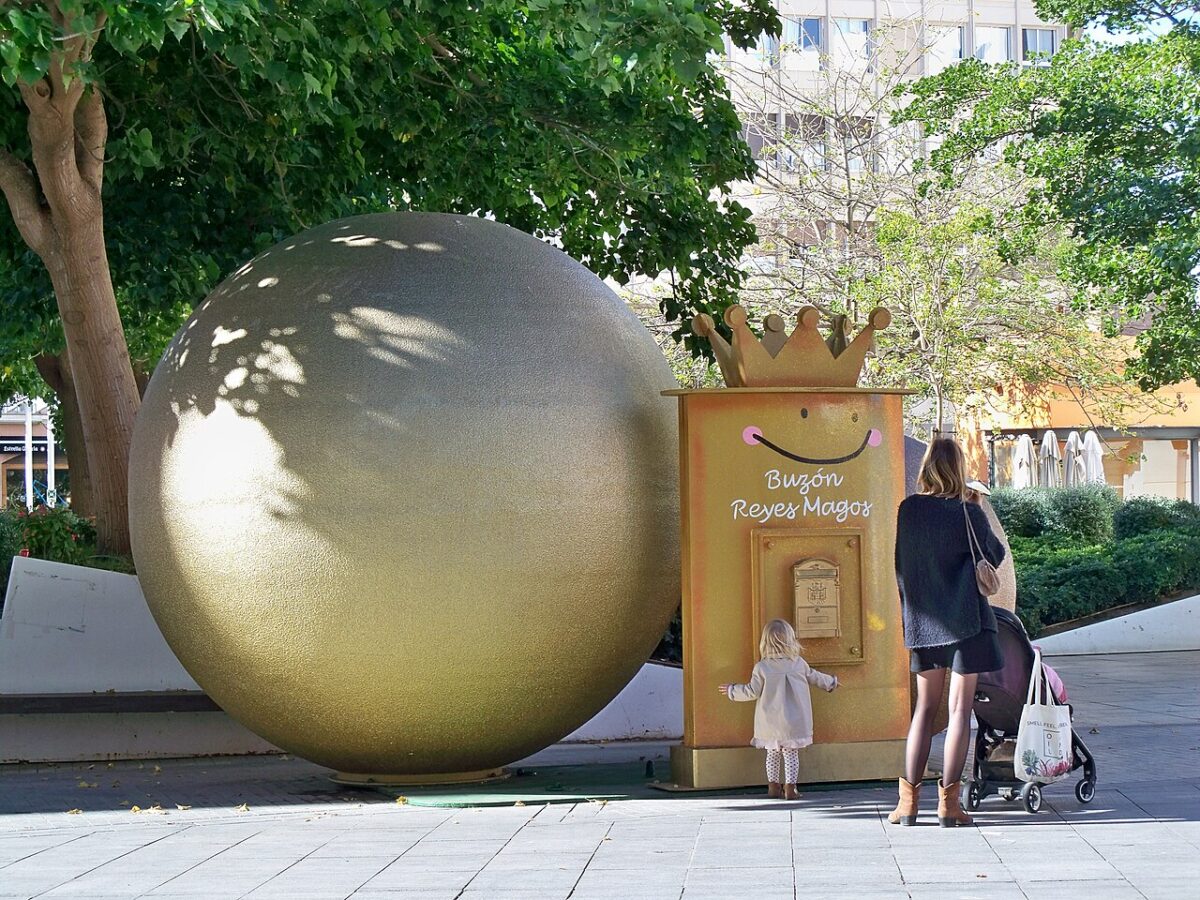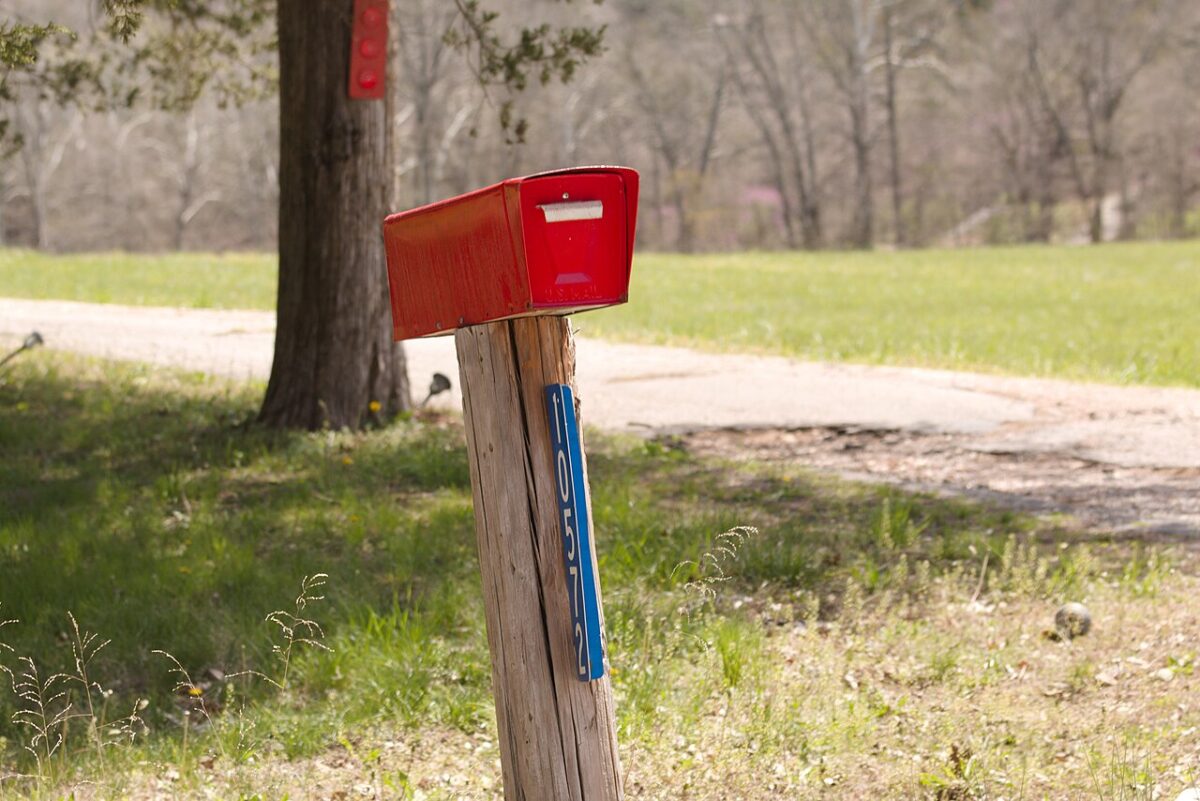
Mailbox Pic of the Day for 2026-06-27.
Photo is shown once as the featured image above.
Source: Wikimedia Commons — Petro Stelte | CC BY-SA 4.0 | license
Signal over noise. Curated with care.

Mailbox Pic of the Day for 2026-06-27.
Photo is shown once as the featured image above.
Source: Wikimedia Commons — Petro Stelte | CC BY-SA 4.0 | license
The Penguin News Saturdigest — 2026-06-27
This week’s news feels like a mix of big systems and very human problems. AI rules, startup fights, government power, and a few reminders that weather and earthquakes do not care about anyone’s schedule. So let’s sort the useful signals from the noisy flapping.
The theme this week is simple: tools are getting stronger, but so are the arguments around who gets to use them, who controls them, and what happens when real life crashes into the plan.
The fittest founder in the room got cancer. Here’s how he used AI to fight back. via TechCrunch. This story stands out because it takes AI out of the boardroom and puts it into a health crisis. The headline points to a founder using AI as a practical tool while dealing with something frightening and personal.
Why it matters: AI debates can feel abstract, but this is a reminder that people judge technology by whether it helps in hard moments, not by how flashy it sounds.
Asian AI startups launch Mythos-like models as Anthropic’s export ban drags on. via TechCrunch. When one company’s model gets tied up by export rules, other builders do not sit around politely. They build alternatives, and the market keeps moving.
Why it matters: Restrictions can slow one path, but they often speed up another. Competition does not disappear; it changes address.
Trump Admin releases Anthropic Mythos to be used by more than 100 US companies, agencies. via TechCrunch. This is the other half of the AI control story: while some places face limits, the US government is widening access at home. That is a strong signal that AI is becoming part of normal institutional machinery.
Why it matters: Once a tool reaches agencies and big companies at scale, it stops being a lab experiment and starts becoming infrastructure.
FTC gives Musk the OK to acquire SpaceX alumni startup Mesh. via TechCrunch. A regulator signing off on a deal tied to Elon Musk is never exactly quiet news. Even without extra drama, approval means one more piece of the tech map may be folding into a larger empire.
Why it matters: Big acquisitions shape who gets talent, tools, and power. That affects competition long after the headline fades.
Corgi, the buzzy Y Combinator-backed insurance tech startup, says it didn’t steal an open source product. via TechCrunch. Startup excitement is fun until someone asks who really built the thing. This headline points to a familiar modern mess: open source software, fast-moving startups, and arguments about where the line sits between reuse and copying.
Why it matters: Open source depends on trust. If that trust gets shaky, builders become more cautious, and the whole system gets slower and grumpier.
Novak Djokovic has a new job — advisor to private equity firm General Atlantic. via TechCrunch. Famous athletes taking finance roles is not new, but it is always a clue about how money likes a familiar face. Private equity firms value access, reputation, and attention almost as much as spreadsheets.
Why it matters: Celebrity-business tie-ups show how influence moves across industries. Sometimes the racket changes, but the networking stays world class.
OpenAI limits GPT-5.6 rollout after government request, says restrictions shouldn’t be the norm. via TechCrunch. This is another sign that advanced AI releases are now tangled up with public policy. A company may want to move fast, but governments are showing they can still put a hand on the brake.
Why it matters: The big AI race is no longer just about better models. It is also about who gets to say when, where, and how they launch.
Watch: Moment newborn baby is rescued from Venezuela earthquake rubble. via BBC. Some stories cut through everything else. A newborn rescued from earthquake rubble is one of them, and it reminds readers that survival stories can sit beside geopolitics and tech news without needing any extra decoration.
Why it matters: Disaster coverage matters most when it brings people back into view. Numbers are important, but one life can focus attention fast.
Mahmood announces new refugee sponsorship route into UK. via BBC. Policy changes like this can sound technical, but they often decide who gets a real path to safety. Sponsorship routes also show how governments try to share responsibility between the state and ordinary people or groups.
Why it matters: Migration policy is not just paperwork. It shapes real lives, and small rule changes can have large effects over time.
Hundreds of Heathrow and Gatwick flights delayed due to thunderstorms. via BBC. Air travel remains very modern right up until a storm rolls in. When two major airports snarl at once, delays spread quickly and remind everyone that the sky still has veto power.
Why it matters: Weather disruption is not minor travel gossip. It affects business, supply chains, family plans, and the growing question of how resilient major systems really are.
That is the week in penguin-sized bites: less squawking, more sorting. The big story is not one shiny headline. It is the steady shift of AI and public systems from “new” to “normal,” with all the mess that comes with that.
Reader question: Which worries you more right now: governments having too much control over AI, or too little?
Seven checks today
green light, no alarms calling
the rest wait their turn
We keep this update creative, but we also keep it honest: if the day had bumps, we say so.
Mailbox Pic of the Day for 2026-06-26.
Photo is shown once as the featured image above.
Source: Wikimedia Commons — Daniel Capilla | CC BY-SA 4.0 | license
Today’s Freedom Friday pick is Federalist No. 78.
It was written by Alexander Hamilton in 1788, during the fight over whether the new U.S. Constitution should be approved.
It sounds old. It is still very alive.
Federalist No. 78 was one of the essays in the Federalist Papers, a series written to explain and defend the proposed Constitution. This paper focused on the courts. Its big idea was that judges should be independent enough to follow the Constitution, even when political leaders want something else. It also helped explain the basic idea we now call judicial review, which means courts compare laws to the Constitution and reject laws that do not fit it.
In 1788, many Americans feared centralized power. That fear was not silly. They had just fought a revolution against distant rule. So when Hamilton argued for strong national courts, he had to show that judges would not become kings in robes. His answer was practical: the courts would be the weakest branch because they controlled neither the purse nor the sword, a point often highlighted in discussions of the paper at the National Constitution Center. The courts would have judgment, not armies or tax money. That argument helped calm worries and gave people a clearer picture of how the new system was supposed to balance itself.
We still argue about the same question: who should have the final say when a law seems to clash with the Constitution? Federalist No. 78 matters because it gives one of the clearest early answers. Courts are not meant to run the country, but they are meant to guard the basic rules when other branches push too far. That does not solve every debate. It does remind us that freedom needs structure. Rights on paper are not enough if no one can defend them when they are under pressure.
For regular people, this is not just a lawyer’s topic. If courts are too weak, basic protections can bend with the mood of the moment. If courts are treated like political weapons, trust falls apart. A healthy free society needs both limits and legitimacy. That is why a paper from 1788 still shows up in modern arguments about the Supreme Court, constitutional rights, and the rule of law.
Federalist No. 78 is a reminder that liberty is not only about passion. It is also about restraint, balance, and rules strong enough to outlast the moment. What do you think matters more in a free country: strong leaders, or strong guardrails?
Green light this morning
Seven done, no trouble yet
All is moving well
We keep this update creative, but we also keep it honest: if the day had bumps, we say so.
Mailbox Pic of the Day for 2026-06-25.
Photo is shown once as the featured image above.
Source: Wikimedia Commons — Mathieu Landretti | CC BY-SA 4.0 | license
Today’s Throwback Thursday pick is The Princess Bride. It is funny, sweet, and full of adventure. Even people who have never seen it may know a line or two from it.
The Princess Bride is a 1987 fantasy adventure comedy film directed by Rob Reiner and adapted by William Goldman from his novel. As explained by Wikipedia’s film summary and the fuller Wikipedia article, the story follows Westley as he tries to rescue Buttercup, with sword fights, giant-sized surprises, and a storybook frame around it all.
It mixed a fairy tale with jokes, action, and heart. Kids could enjoy the adventure. Adults could enjoy the clever lines and the warm story. It also had a cast people remembered, including Cary Elwes, Robin Wright, Mandy Patinkin, and Andre the Giant, as noted in the Wikipedia article.
This movie still works because it does not talk down to the audience. It is playful, but it also cares about love, bravery, friendship, and loyalty. The film’s long life as a beloved cult favorite, and its later selection for preservation in the National Film Registry, are noted in the Wikipedia article. That says a lot about how deeply it stuck with viewers.
The Princess Bride remains a joyful throwback because it is both silly and sincere. If you watched it again today, which character do you think would steal the show for you?
Morning rolls in soft and steady,
sixteen promises on the list,
seven already answered,
and none came back shaking.
No red lights singing,
no overdue shadows at the door,
just the quiet green hum
of things doing what they came to do.
Not glory, not thunder,
just a clean breath,
a plain good day
moving in rhythm and staying there.
We keep this update creative, but we also keep it honest: if the day had bumps, we say so.
Mailbox Pic of the Day for 2026-06-24.
Photo is shown once as the featured image above.
Source: Wikimedia Commons — UnifiedFunctionality | CC BY 4.0 | license