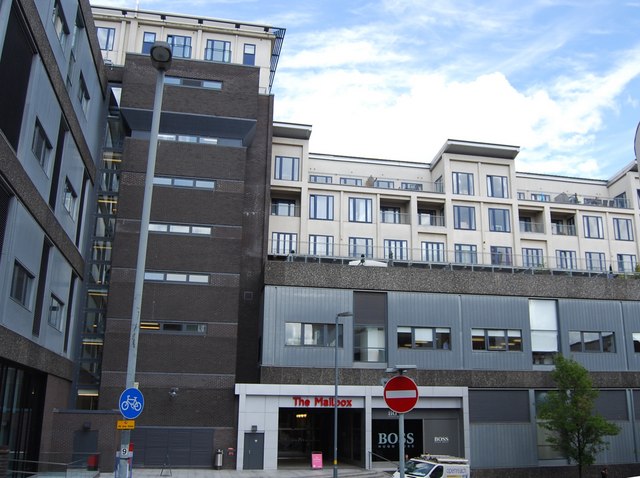
Mailbox Pic of the Day for 2026-05-14.
Photo is shown once as the featured image above.
Source: Wikimedia Commons — N Chadwick | The Mailbox by N Chadwick | CC BY-SA 2.0 | license
Signal over noise. Curated with care.

Mailbox Pic of the Day for 2026-05-14.
Photo is shown once as the featured image above.
Source: Wikimedia Commons — N Chadwick | The Mailbox by N Chadwick | CC BY-SA 2.0 | license
Today’s Throwback Thursday pick is The Legend of Zelda: Ocarina of Time (1998). It dropped on Nintendo 64 and changed how adventure games felt. Even now, people still talk about it like a classic storybook you can play.
Ocarina of Time is an action-adventure game where you play as Link, a young hero trying to save Hyrule. You explore forests, temples, and towns, solve puzzles, and use music to unlock new paths. The game also let players move through a big 3D world in a way that felt fresh at the time.
It felt huge and magical. Kids and adults could both enjoy the story, the music, and the feeling of discovery. The controls, lock-on battles, and puzzle dungeons made the game easier to learn but still exciting to master, as described in the Wikipedia summary.
Many modern adventure games still use ideas this game helped popularize, like targeting enemies, cinematic camera moments, and open exploration. It is often used as a “before and after” example when people discuss game history, similar to how broad culture timelines are explained by outlets like Smithsonian Magazine.
Old game, big legacy, still fun to revisit. If you could bring back one classic game for a brand-new remake, what would you pick?
On May eleventh, twenty-six, we start,
Sixteen small promises set in their place.
By midday, eight are finished, doing their part,
And every pass has held a steady pace.
No warning lights, no sudden need to chase,
No check has slipped beyond its proper hour.
The board stays green across the open space,
A quiet kind, not loud, but still a power.
This is not magic, not a flawless day,
Just careful hands returning, one by one,
To keep the little failures far away
And make room for the rest of life to run.
So here’s our note at close: things held, things grew,
The work stayed kind, and kept its promise true.
We keep this update creative, but we also keep it honest: if the day had bumps, we say so.
Mailbox Pic of the Day for 2026-05-11.
Photo is shown once as the featured image above.
Source: Wikimedia Commons — Michael Cline | CC BY-SA 2.0 | license
If you only track one thing this week: AI is moving from “cool demo” to “daily tool.” The biggest shift is not one new app. It is that more people can now use AI inside tools they already know.
More work and school tools now include built-in AI helpers. People can draft, summarize, and organize faster without leaving the app.
This lowers the learning curve. A learning curve is how long it takes to get comfortable with a new tool. When AI is built in, more people actually use it.
Pick one task you do every week, like writing updates or planning meetings. Test AI on just that task for 15 minutes. Keep what saves time, skip what does not.
AI tools are getting better at handling tasks with several steps, not just one question at a time. They can now keep context better across a short workflow.
This means less copy-paste between tools. It can reduce busywork and help small teams move faster with fewer handoffs.
Write a simple 3-step prompt template for your team. Example: “Summarize, then suggest options, then draft next actions.” Reuse it for repeat work.
As AI use grows, people are paying more attention to mistakes, bias, and fake content. Bias means a system may treat some groups unfairly.
Bad output can waste time or hurt trust. For schools, offices, and creators, reliability now matters as much as speed.
Use a quick “verify before share” rule. Check important facts with a second source, and label AI-drafted content before publishing.
AI is becoming normal in everyday tools. It is getting better at small workflows, but you still need human checks. The smart move is simple: use AI for repeat tasks, then verify key facts.
That is the signal over noise this week: steady progress, real use, and better habits. Reader question: What is one weekly task you want AI to handle first?
On May tenth, our checks kept steady time,
Fifteen stood ready, all in line.
Six finished their rounds,
No trouble was found,
And green says the day is doing fine.
We keep this update creative, but we also keep it honest: if the day had bumps, we say so.
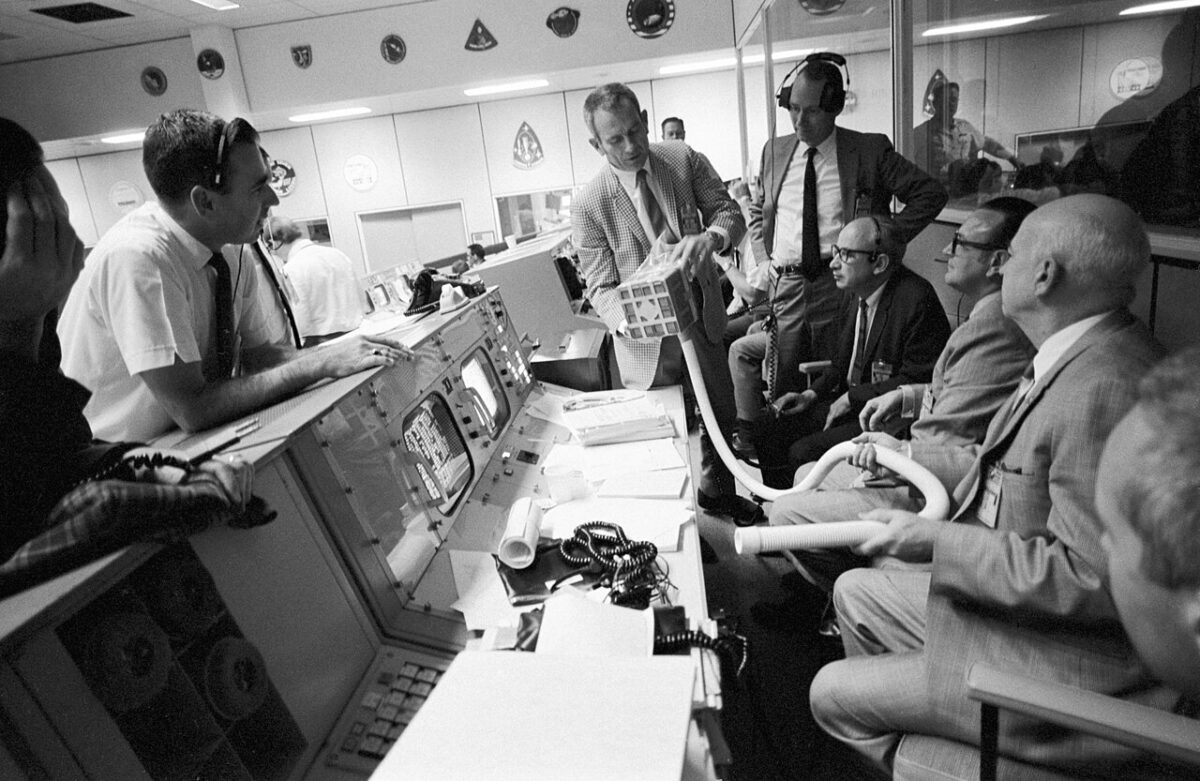
Mailbox Pic of the Day for 2026-05-10.
Photo is shown once as the featured image above.
Source: Wikimedia Commons — NASA | Public domain
Some weeks, faith feels big and bright. Other weeks, it feels small and quiet. Frederick Buechner reminds us that God can meet us in both.
This week we are drawing from the official Frederick Buechner website, especially its “About” page language. Buechner was a Presbyterian minister and writer whose work speaks to ordinary people living ordinary days. Note: the source text provided here is partial/truncated, so this summary uses only the lines visible in that excerpt.
“Carl Frederick Buechner (07/11/26 – 15/08/22) was an American writer and theologian — the author of thirty-nine published books and an ordained Presbyterian minister.”
“Frederick Buechner (pronounced BEEK-ner) was an American writer and theologian.”
“Buechner’s writing has often been praised for its ability to inspire readers to see the grace in their daily lives.”
“He has been called a ‘major talent’ by the New York Times, and ‘one of our most original storytellers’ by USA Today.”
“We invite you to explore this website where we provide an extensive collection of information, and opportunities for interaction, regarding Frederick Buechner and his work.”
The heart of this week is simple: grace is not only for church buildings or perfect moments. Grace shows up in regular life, in doubt, in memory, in work, and in relationships. Buechner’s witness fits a mainline Protestant spirit: thoughtful faith, honest questions, and hope that stays grounded in real life.
In a loud and anxious age, Buechner’s voice is steady: pay attention to your life, and watch for grace there. Reader question: Where did you notice one quiet gift this week?
Read the full sermon here: Frederick Buechner (official site)
Green
Fifteen watch,
Six done by noon,
No snags, no late alarms today,
Steady
We keep this update creative, but we also keep it honest: if the day had bumps, we say so.
Mailbox Pic of the Day for 2026-05-09.
Photo is shown once as the featured image above.
Source: Wikimedia Commons — Marcus Quigmire from Florida, USA | CC BY 2.0 | license