
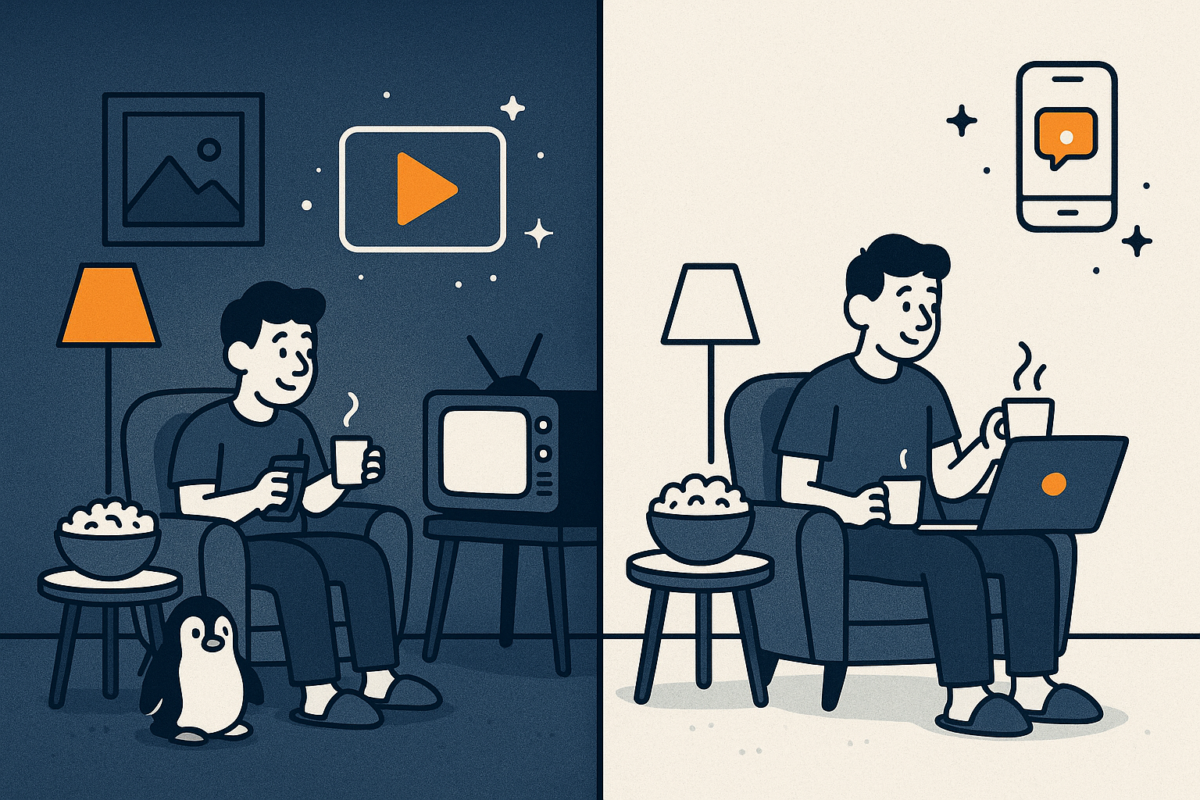
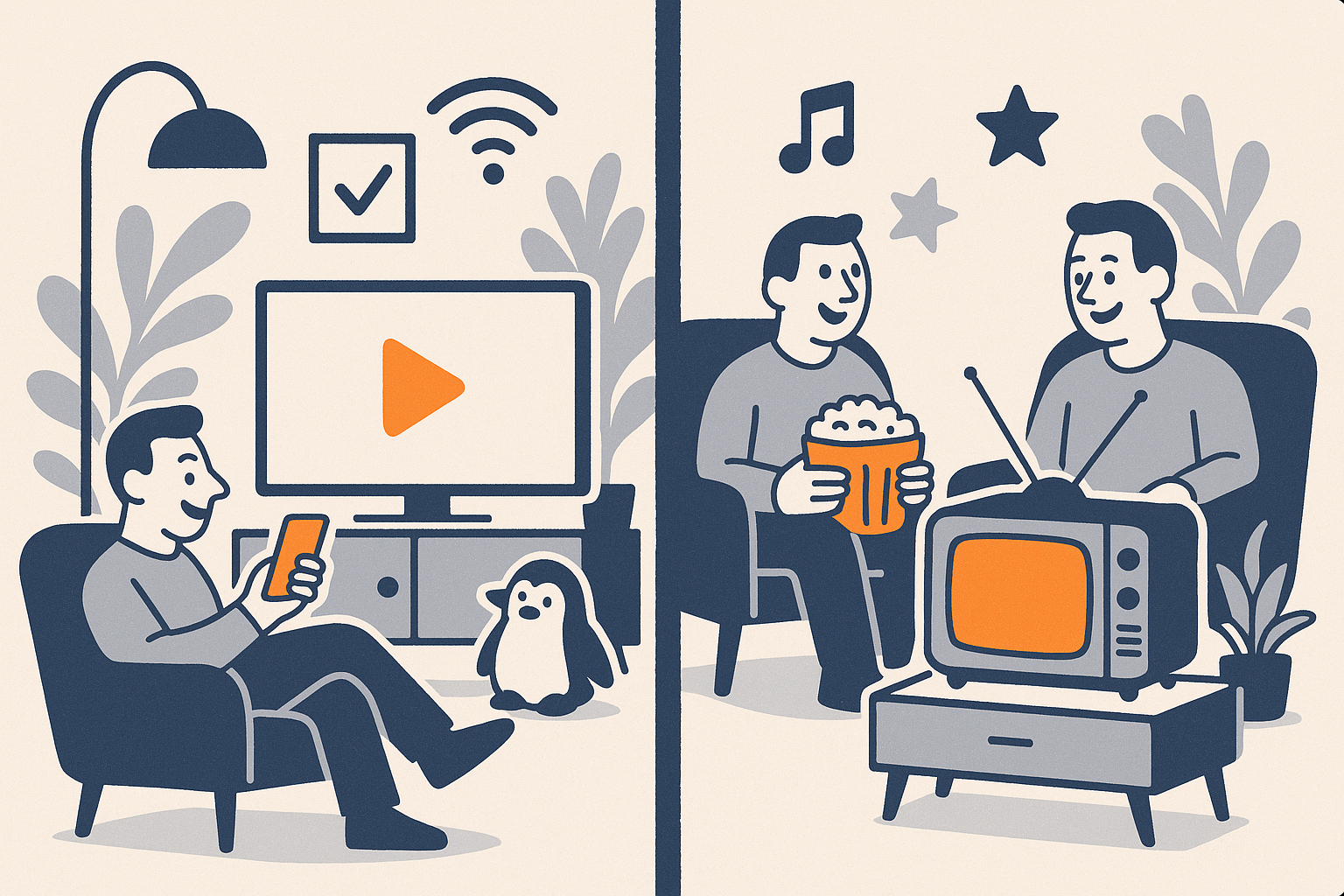
Happy Whatever Wednesday. Today’s topic is a cheerful contrarian: old tech. While the internet keeps handing us shiny new devices, the older stuff keeps doing the work—quietly, reliably, and often with fewer headaches. This isn’t a nostalgia trip. It’s a practical look at why “older” still rules in a world that keeps changing.
Old Tech Wins at the Boring Stuff (Which Is the Stuff That Matters)
When we talk about technology, we often start with the impressive features. But most of life runs on unglamorous tasks: typing, printing, calling, listening, and saving files. Old tech is good at boring things because it was designed to do those things well, not to do everything at once.
Take the humble landline. It still works during power outages. Or the cheap USB stick that simply stores files without asking for a subscription. Or the plain old digital alarm clock that wakes you up without a software update. These are small wins, but they add up to a lifestyle where the tools aren’t constantly asking for attention.
Old tech also tends to be “single purpose.” That’s a gift, not a limitation. A dedicated camera keeps you focused on the photo. A standalone e-reader keeps you reading instead of doomscrolling. That kind of focus is rare—and valuable—today.
Reliability Is a Feature, Not a Vibe
New devices are exciting, but they often arrive with new problems. Bugs, incomplete features, short-lived accessories, and the occasional “this device is no longer supported.” Old tech is past the chaotic early stage. It’s been tested by time and by a million frustrated users who found the weak spots.
Think about the laptop you bought five or six years ago. If it still runs, it has proven itself. It may not be fast, but it doesn’t surprise you. You know where the settings are. You know which cables it needs. You have muscle memory. That’s real value—especially if you want tech to fade into the background and let you do actual life.
Reliability also shows up in repairability. Older devices tend to be less sealed, less proprietary, and more willing to accept a new battery or a fresh hard drive. That matters for budgets, for sustainability, and for peace of mind.
Old Tech Encourages Ownership Over Renting
One of the quiet shifts in modern tech is the move from ownership to access. We don’t buy music; we stream it. We don’t buy software; we subscribe. We don’t even buy some devices in full; we pay monthly. Old tech is a reminder of a different model: you bought it, you owned it, and it kept working until it didn’t.
This shift isn’t all bad, but it changes our relationship with tools. Older tech often works without accounts, without tracking, and without an ecosystem. That means fewer passwords, fewer data trails, and fewer “please update your billing info” pop-ups. If you’ve ever had a device stop working because a server went down, you know how fragile the access model can be.
When you own a thing, it feels less like a lease and more like a tool. That’s a small psychological win—and a real practical one.
Old Tech Is a Quiet Rebellion Against the Upgrade Cycle
There’s a built-in pressure to upgrade. It’s not just marketing; it’s the idea that your phone, laptop, or software is “obsolete” on a countdown clock. But if your tech still meets your needs, then the upgrade cycle becomes optional, not mandatory.
Keeping older tech for longer is a gentle act of resistance. It says, “I decide when this stops being useful.” It also saves money, reduces e-waste, and gives you a clearer sense of what you actually value in a device. If you’re not upgrading every year, you get to notice the difference between “nice to have” and “need to have.”
It also flips the default setting from “always shopping” to “already good.” That’s a low-key life improvement.
The Best Setup Is Often a Mix of Old and New
None of this is an argument against new technology. It’s a case for balance. The real sweet spot is often a hybrid: new tech where it makes life easier, old tech where it keeps things simple. Example: a modern phone with a current camera, paired with an older laptop that still writes and edits just fine. A smart speaker for voice timers, plus a basic radio for background sound. A new streaming service for movies, plus a used DVD player for the favorite films you already own.
Mixing old and new gives you the best of both worlds—innovation without dependence, convenience without constant change. It’s also a reminder that technology is supposed to serve your life, not the other way around.
So Why Does Old Tech Still Rule?
Because it has already proven itself. It is predictable, usable, and often repairable. It doesn’t demand a monthly fee. It doesn’t ask for constant attention. It gives you control. In a world where everything is connected and updated and optimized, older tools can feel like a small island of calm.
That calm is worth something. It’s worth money. It’s worth sanity. And it’s worth a little appreciation on a Wednesday afternoon.
Note: No citations available from the approved sources list for this post.
What to Watch Next
- The rise of repairable electronics and right-to-repair momentum
- Local storage making a comeback as people tire of subscriptions
- Resale and refurb markets growing as budgets tighten
- Purpose-built devices (e-readers, music players) gaining fans again
Thanks for hanging out for Whatever Wednesday. If this sparked a “maybe I don’t need an upgrade” moment, mission accomplished. See you next week—same day, same vibe, and hopefully the same reliable gadgets.